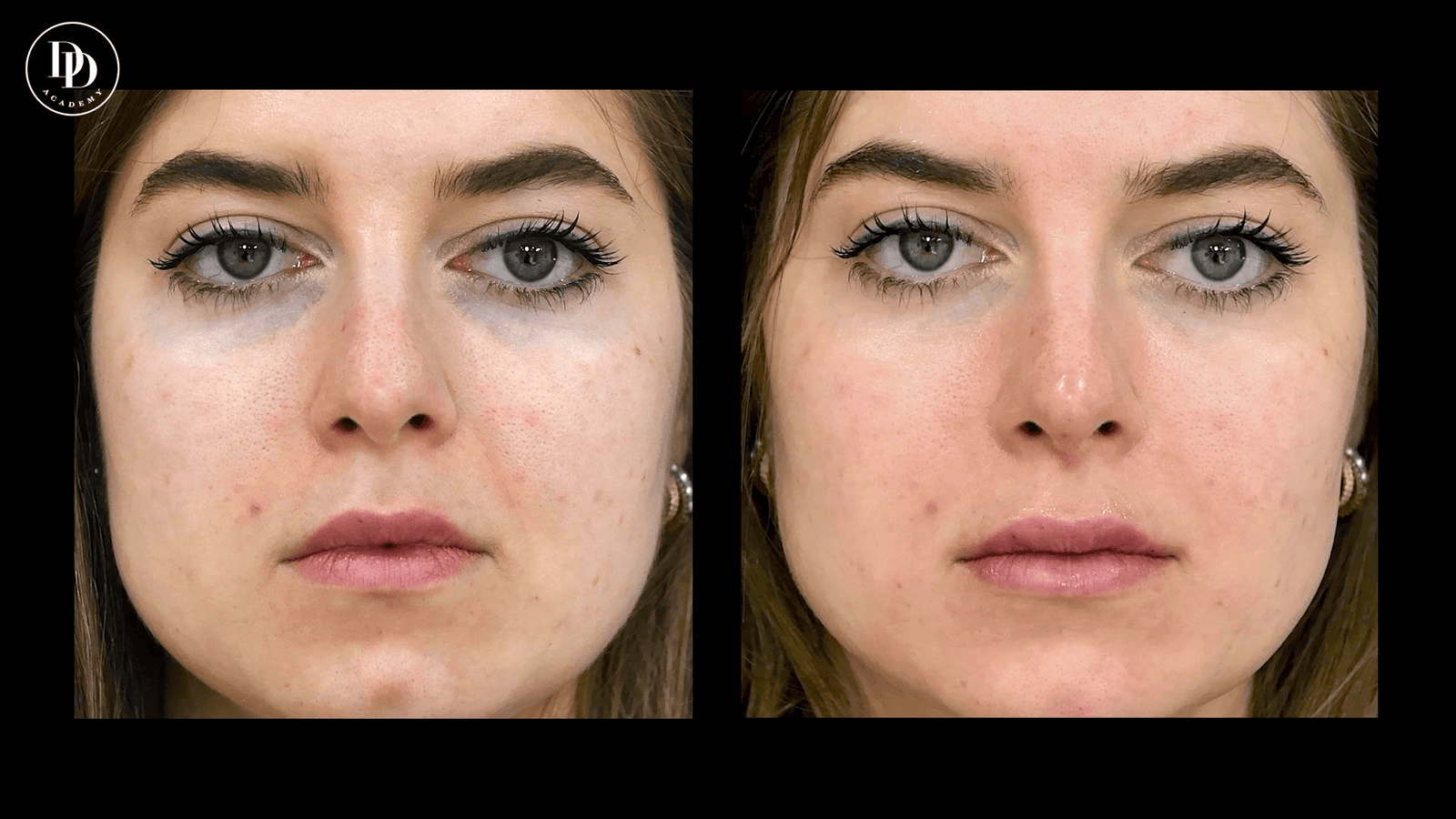
Final remaining spaces on the 3–4 Oct weekend cohort

Piriform Fossa: Anatomy, Clinical Significance and Aesthetic Injection Guide

Who This Is For

Not sure if you’re eligible? Speak with our team. We’ll guide you through the requirements and next steps.

Table of Contents

Understanding the Piriform Fossa: Advanced Aesthetic Practice

If you’re stepping into aesthetic medicine with a clinical background, you’ll quickly realise that some of the most powerful treatment areas are also the most misunderstood. The piriform fossa is one of them.

In traditional anatomy, the pyriform is associated with the hypopharynx—something you may remember from ENT rotations. But in aesthetic practice, we’re referring to a completely different structure: the deep piriform space at the base of the nose. This is where anatomy meets technique, and where many practitioners either elevate their results—or run into avoidable complications.

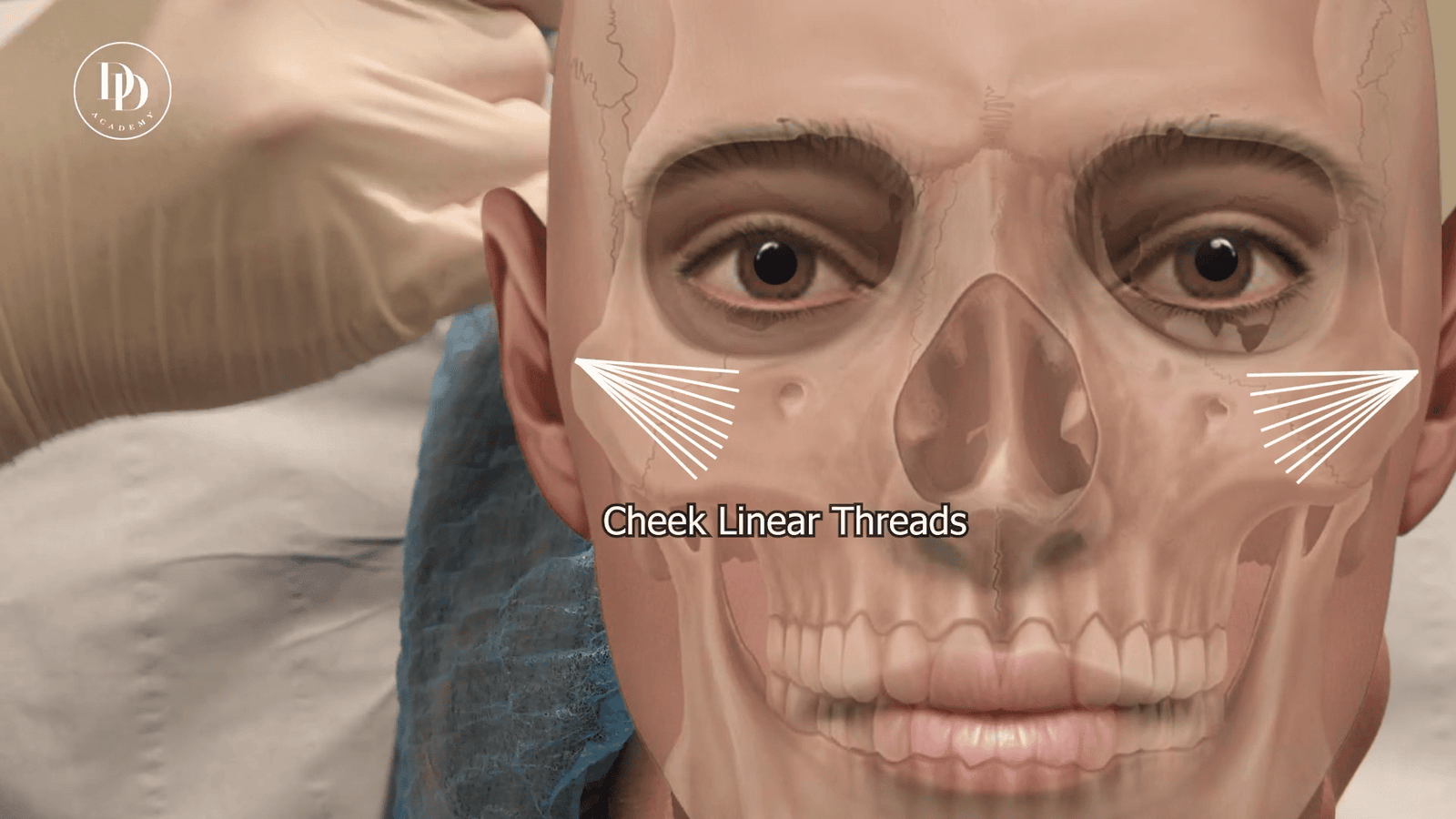
At Dr. Dray Academy, we teach this area not as an isolated injection point, but as part of a wider structural approach to facial rejuvenation. If you’re already familiar with midface work, you’ll recognise how treatments in this area integrate with techniques for cheek cheek lifting and profile balancing. We designed our aesthetic training to follow the method used in our world-leading clinics.
Piriform fossa vascular anatomy: What Clinicians Should Not Overlook

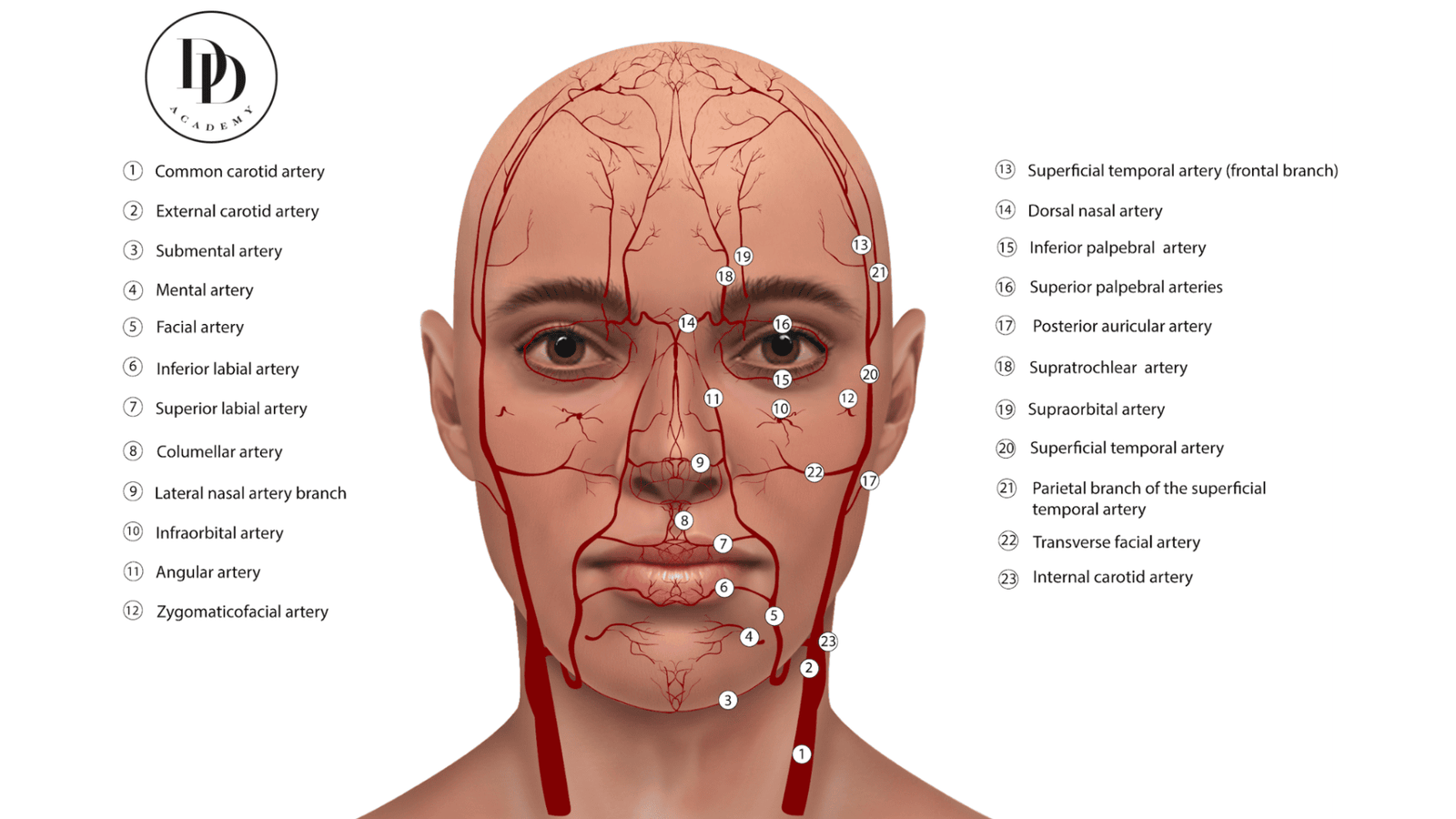
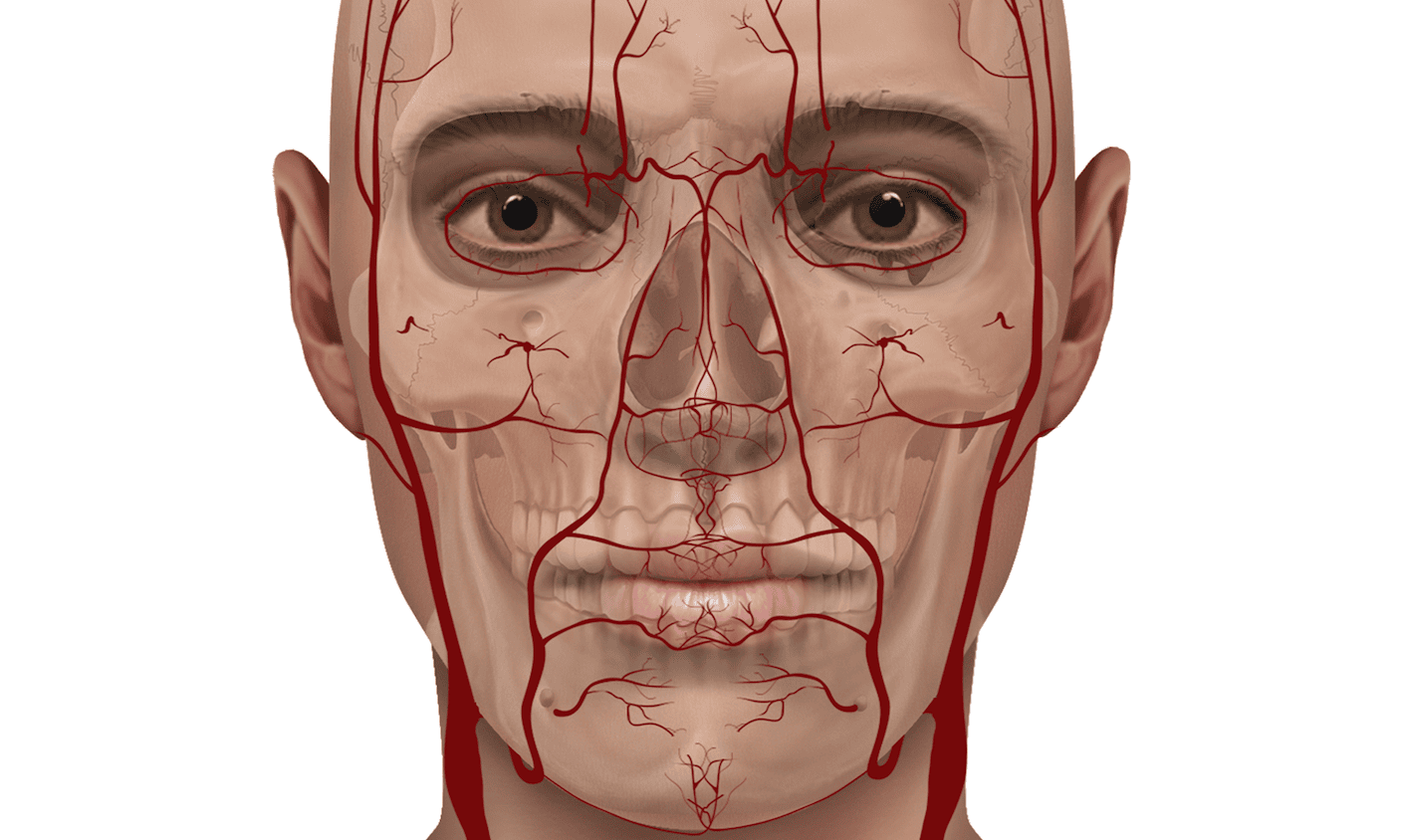
Understanding vascular anatomy in the perioral and midface region is critical for safe aesthetic practice, particularly when working around the pyriform fossa and nasolabial complex. The angular artery—widely considered the terminal branch of the facial artery—ascends along the side of the nose toward the medial canthus. In the region of the pyriform fossa, its course can be highly variable: it may run superficially within the subcutaneous plane, or deeper, closer to the periosteum, depending on the individual. Importantly, branches from the angular artery communicate with the dorsal nasal and infraorbital systems, creating a rich vascular network with potential for retrograde embolisation. This anatomical variability is precisely why a “one-depth-fits-all” approach is unsafe.

From a practical injection standpoint, appreciating depth is everything. In the pyriform fossa, safer planes are typically either very superficial (intradermal/subdermal for fine product placement) or deep on periosteum using a needle placed with full control and minimal movement. Mid-depth injections—where the angular artery or its branches are more likely to traverse—carry higher risk. Clinicians must also be aware of adjacent branches such as the superior labial artery and lateral nasal branches, which can further complicate the vascular map in this area. A slow, low-pressure injection technique, constant awareness of tissue resistance, and consideration of cannula use in higher-risk zones all contribute to safer outcomes. Ultimately, precise anatomical knowledge combined with refined technique is what allows for elegant, natural results while minimising vascular complications.

Why Train with Dr Dray Academy

At Dr Dray Academy, our training is designed to go beyond basic techniques — focusing on the clinical judgement, precision, and full-face understanding required to deliver natural, high-level results.

Our approach is built on over 45 years of experience treating some of the world’s most discerning patients, and these techniques are practiced daily across our London, Paris, and Abu Dhabi clinics.

The Deep Piriform Space in Aesthetic Medicine: A Structural Approach to Midface Rejuvenation

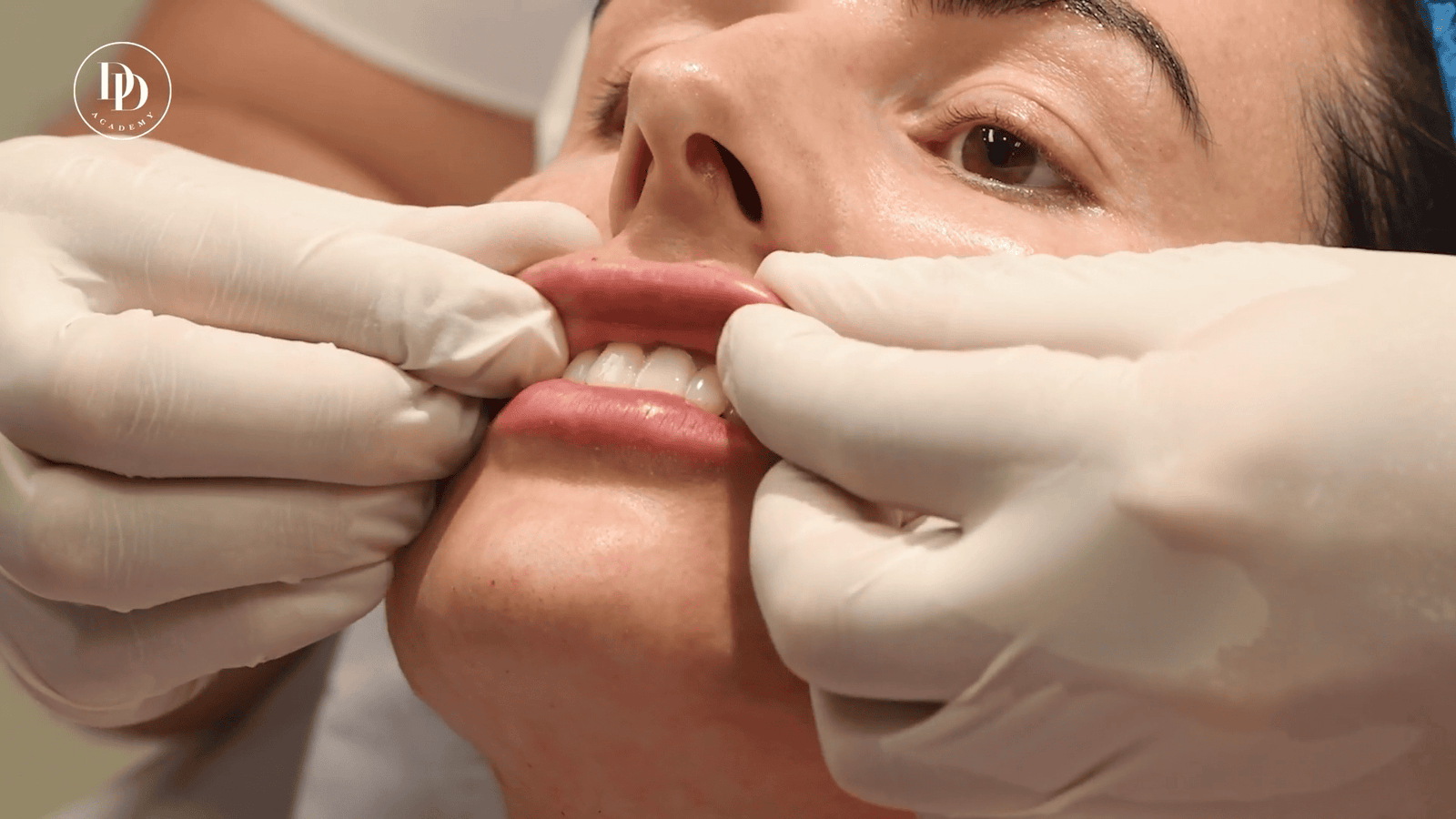
In aesthetics, when we refer to the piriform fossa, we’re typically talking about the deep piriform space (Ristow’s space)—a key structural point at the base of the nose.

This area sits:

  • Just lateral to the nasal ala
  • Over the anterior maxilla
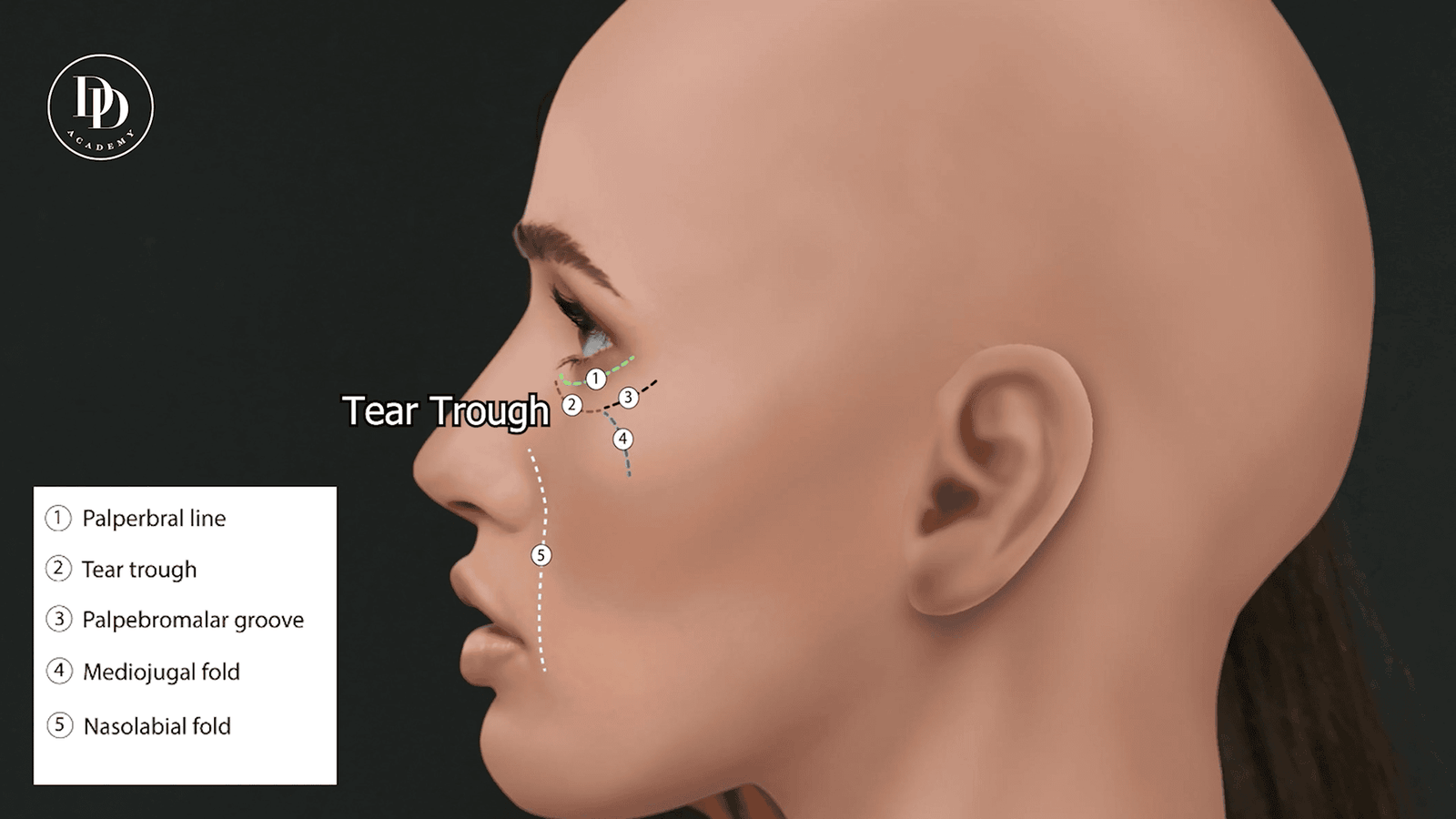
  • Beneath the origin of the nasolabial fold

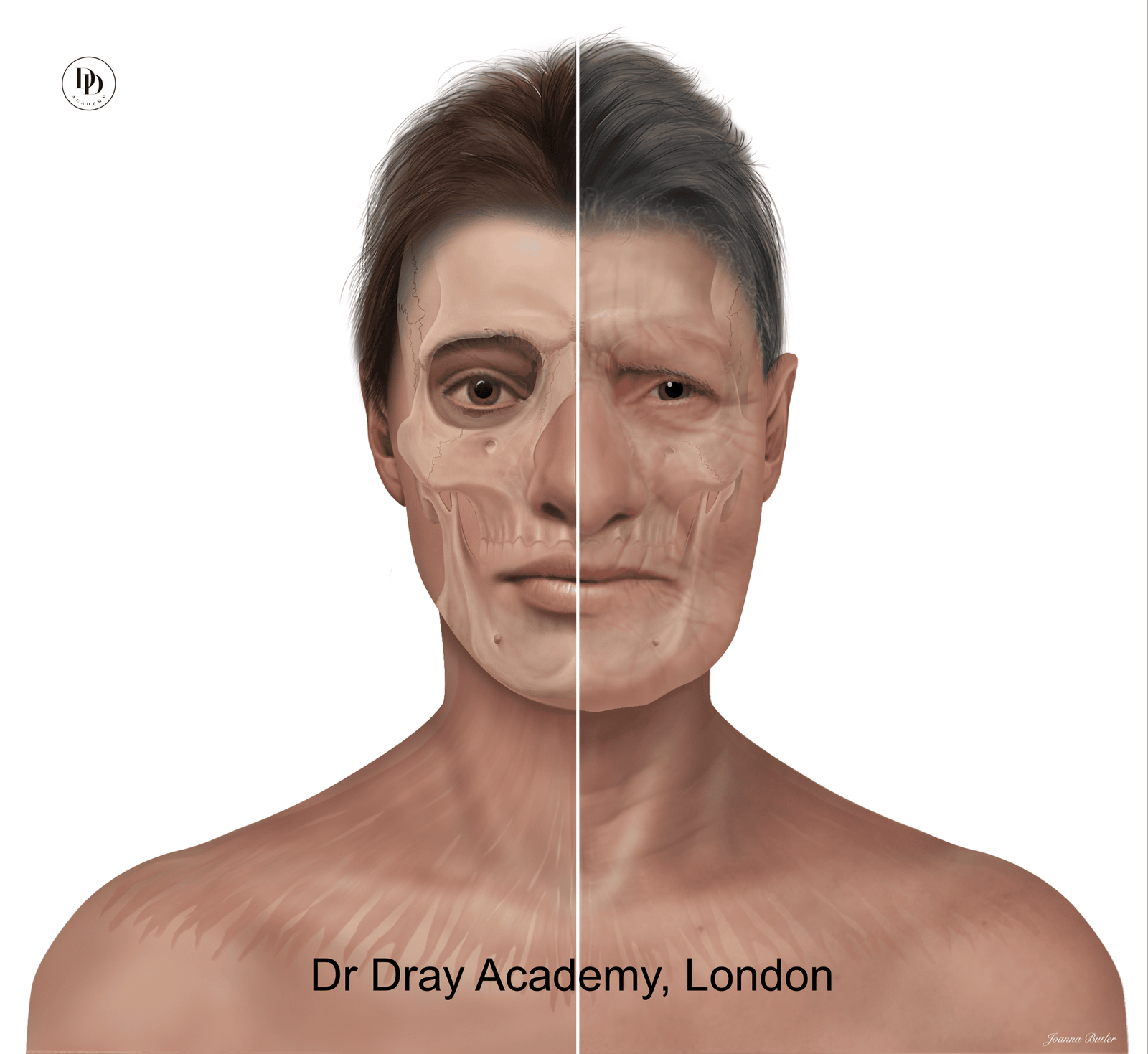
With age, maxillary support diminishes and fat compartments descend. What you see clinically is deepening of the nasolabial fold—but the cause isn’t the fold itself. It’s structural.

This is where less experienced injectors go wrong.

Filling the nasolabial fold directly often leads to:

  • Overfilled, heavy appearance
  • Poor integration with surrounding structures
  • Short-lived or unnatural results

Whereas treating the piriform space:

  • Restores deep structural support
  • Softens folds indirectly
  • Creates a subtle midface lift
  • Produces more natural, long-term outcomes

That said, this is not a beginner technique.

Safe practice requires:

  • True supraperiosteal placement
  • Accurate understanding of vascular anatomy (facial and angular artery proximity)
  • Conservative volume (typically 0.1–0.3ml per bolus)
  • Strong patient assessment and treatment planning

This is why, in our training, we only introduce piriform work once delegates are confident in cheek, temple, and lateral vector treatments first.

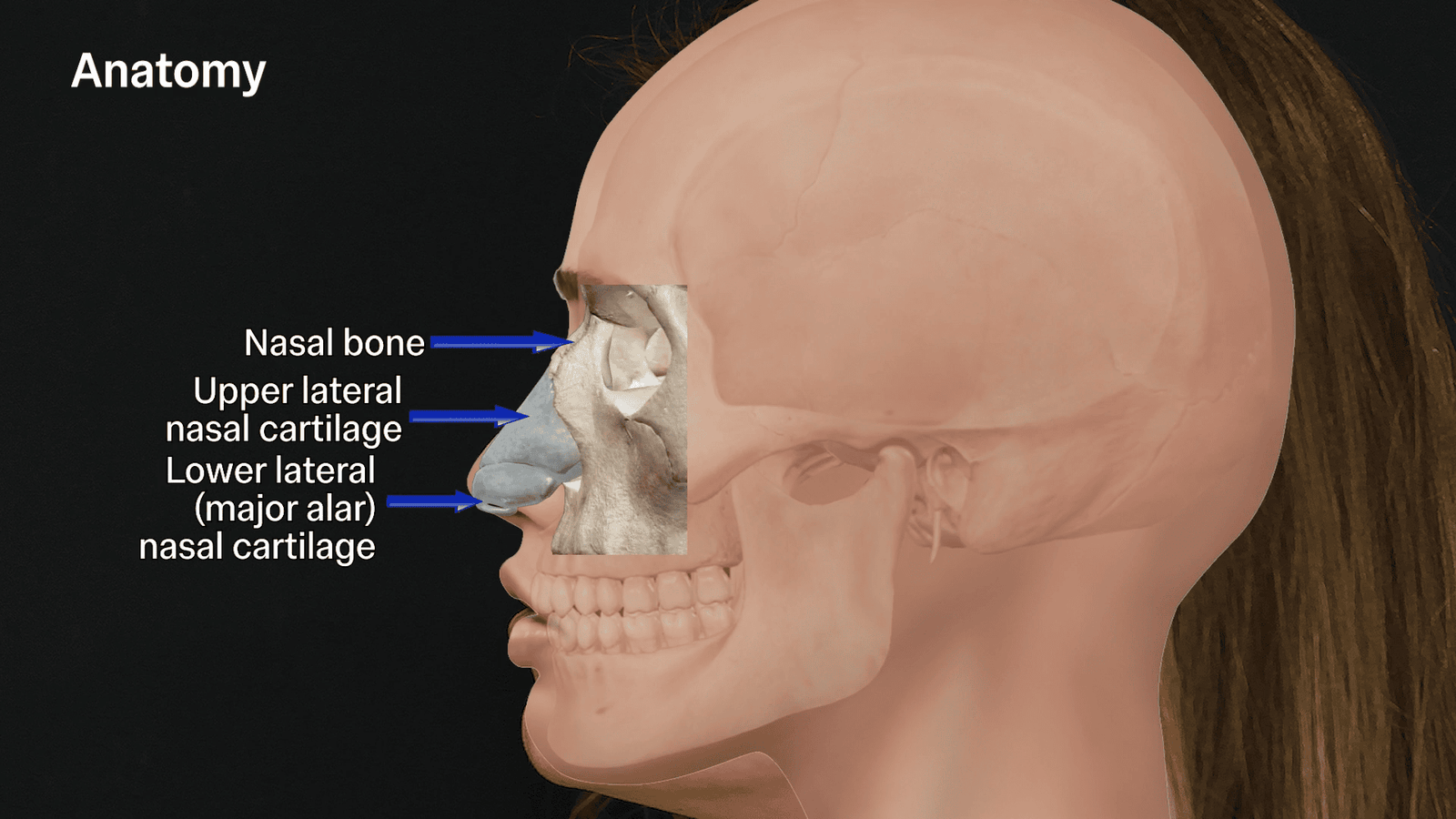
piriform sinus anatomy laryngopharynx clinical landmarks

Piriform Fossa Filler Technique: Safe Structural Injection Approach

A clinical demonstration of deep piriform space filler placement, including anatomical landmarks, injection depth, and safety considerations for midface rejuvenation.

Frequently Asked Questions

Become an Elite Aesthetic Practitioner

Get expert insights on aesthetic training, clinical techniques, and how to build a high-level practice. Join our private list for updates on upcoming training dates and opportunities.

Picture of Dr Dray Academy

Dr Dray Academy

Dr Dray Academy is a professional training platform dedicated to providing high-quality education in aesthetics and healthcare treatments. The content published is carefully created and reviewed to ensure accuracy, clarity, and real-world applicability.

Our team focuses on delivering expert guidance, training insights, and up-to-date industry knowledge to help students and professionals succeed in their careers. Each article is designed to be informative, trustworthy, and aligned with the latest standards in the field.

Discover our award winning Aesthetic Training in London here!

Related Blogs