Final remaining spaces on the 3–4 Oct weekend cohort

Cheek Filler Marking: Injection Blueprint for Safe, Precise Mid?Face Enhancement

Who This Is For

Not sure if you’re eligible? Speak with our team. We’ll guide you through the requirements and next steps.

Table of Contents

Understanding Cheek Filler Marking as a Clinical Mapping Tool

Cheek filler marking is not a cosmetic step—it is a clinical decision-making process that translates facial anatomy into a structured treatment plan before a single drop of filler is injected. In practice, it separates injectors who rely on instinct from those who consistently deliver predictable, safe, and balanced mid-face outcomes.

At Dr. Dray Academy, we teach this as part of a wider clinical framework inside our structured cheek filler training pathway, where marking is integrated with assessment, vascular awareness, and full-face planning rather than treated as an isolated step.

For practitioners entering aesthetic medicine, especially those building early confidence in dermal filler work, this stage reduces uncertainty and improves precision significantly. It is also one of the most under-taught skills in foundational aesthetics education, despite being one of the most important for safety and symmetry.

Clinical marking should always be grounded in anatomy and risk awareness, supported by evidence-based principles which reinforces the importance of vascular safety and structured injection planning in facial filler procedures.
Why Cheek Filler Marking Matters Clinically

Cheek filler marking directly influences complication rates, aesthetic outcomes, and long-term patient satisfaction. It is the bridge between anatomical understanding and real-world injection control.

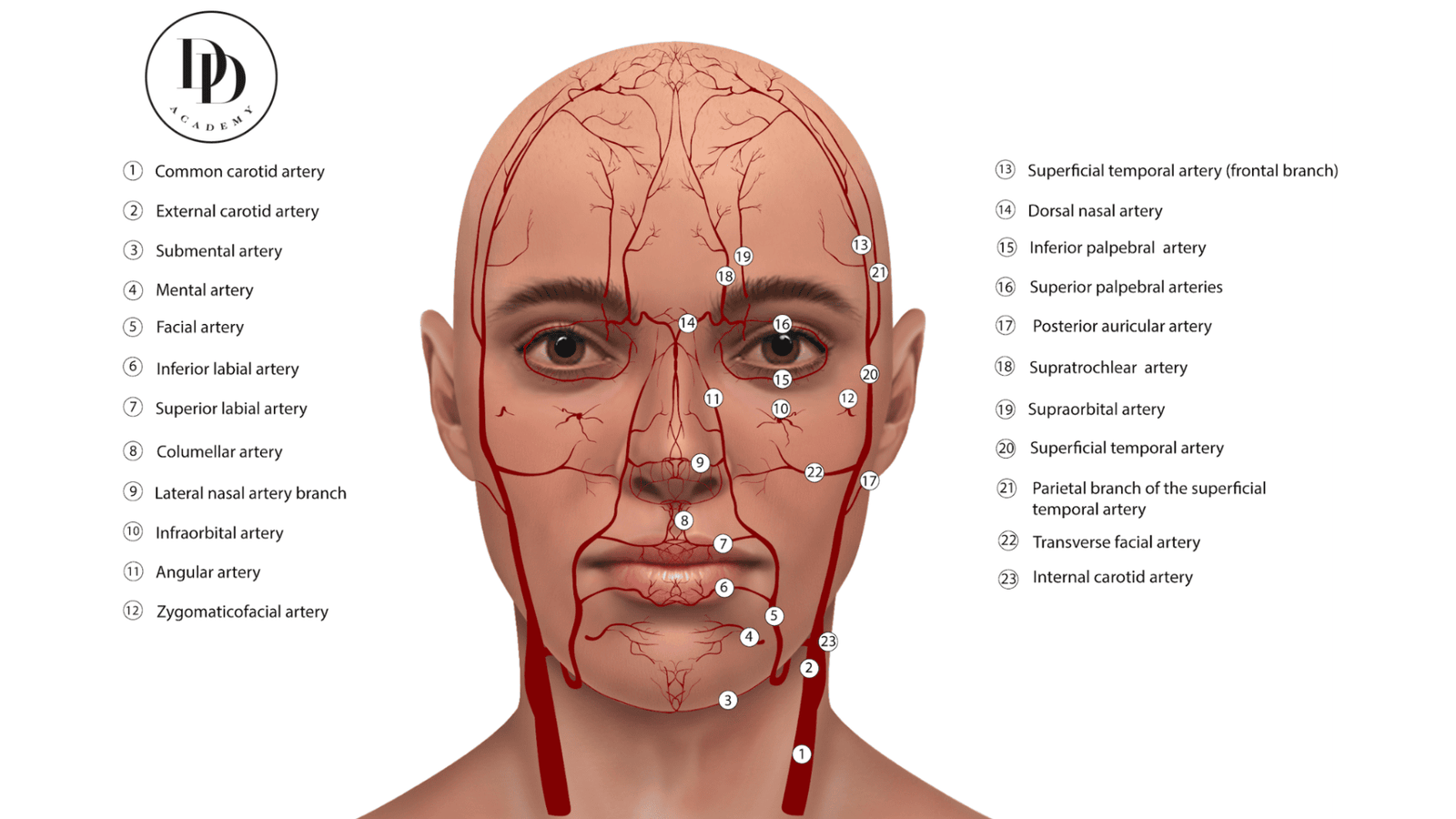
The mid-face is a complex three-dimensional structure made up of bone, fat compartments, retaining ligaments, and vascular networks including the facial artery, infraorbital artery, and transverse facial artery. Without mapping this externally, treatment becomes guesswork.

When marking is done properly, it supports:

  • More controlled malar projection and lift
  • Reduced risk of vascular compromise
  • Improved left-right symmetry
  • More predictable post-treatment settling
  • Less product wastage and overcorrection

Common complications we see in poorly planned cases include medial overfilling, lateral flattening of the zygoma, and uneven mid-face projection that distorts overall facial harmony.

From a training perspective, we emphasise that marking is also a cognitive tool. It reduces decision fatigue in early practitioners by turning complex anatomical decisions into a visible treatment map.


Core Anatomy & Standard Marking Landmarks

Effective cheek filler marking starts with anatomical fluency, not surface-level technique. The malar region is influenced by bone structure, fat compartment descent, ligament tension, and skin elasticity changes over time.

Key structures to understand include:

  • Zygomatic bone and malar eminence
  • Infraorbital foramen
  • Facial artery and transverse facial artery
  • Deep medial cheek fat and SOOF
  • Superficial medial and lateral fat pads

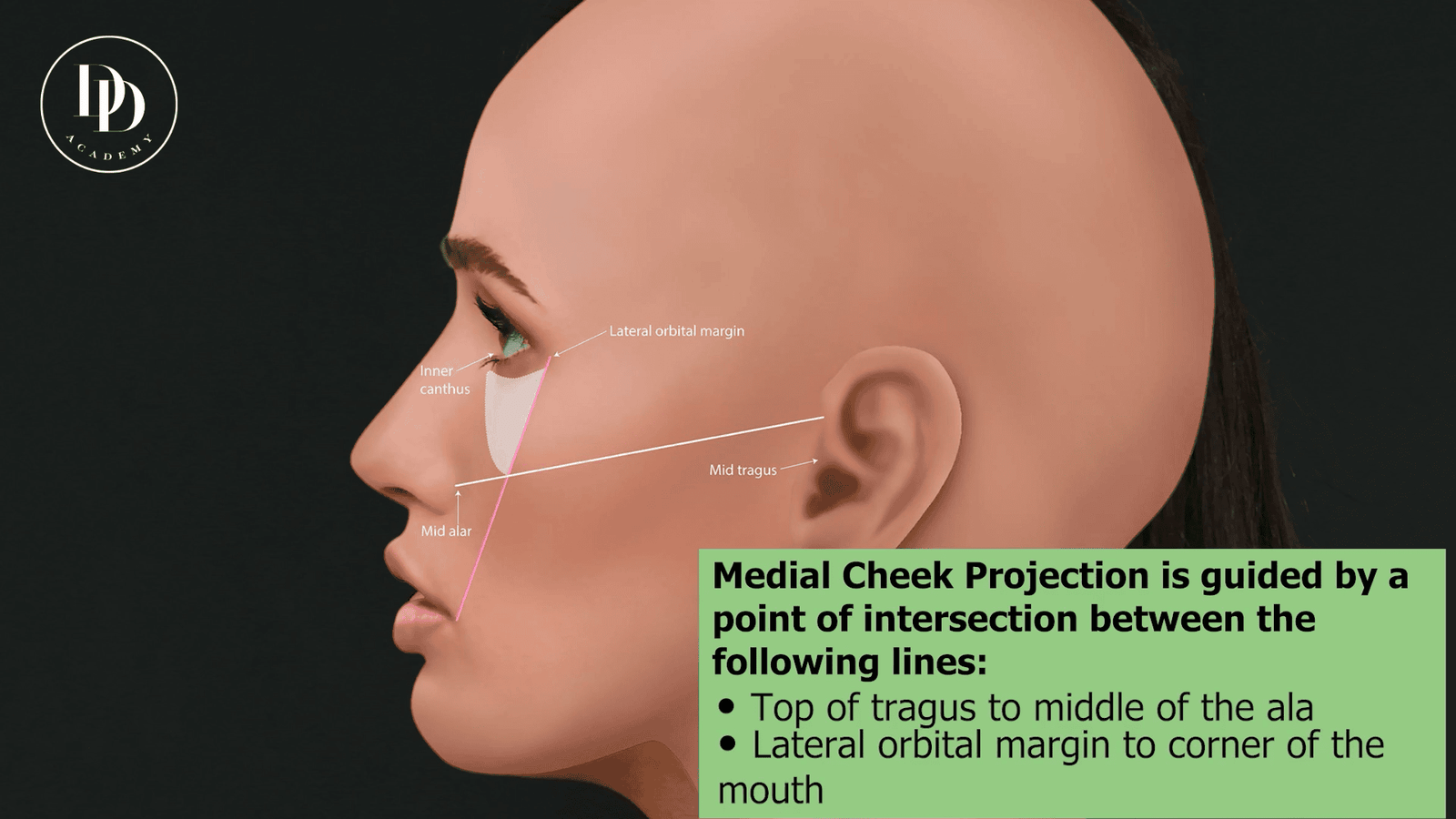
In clinic, we teach practitioners to translate this into consistent surface landmarks:

  • Mid-pupil vertical line
  • Lateral canthus to oral commissure line
  • Alar base to tragus line
  • Palpated zygomatic arch outline
  • Intersection point identifying malar apex

These reference points help define safe zones for injection while reducing the risk of vascular injury.

A structured approach to marking also ensures consistency across patients, even when facial anatomy varies due to age, ethnicity, or volume loss patterns.

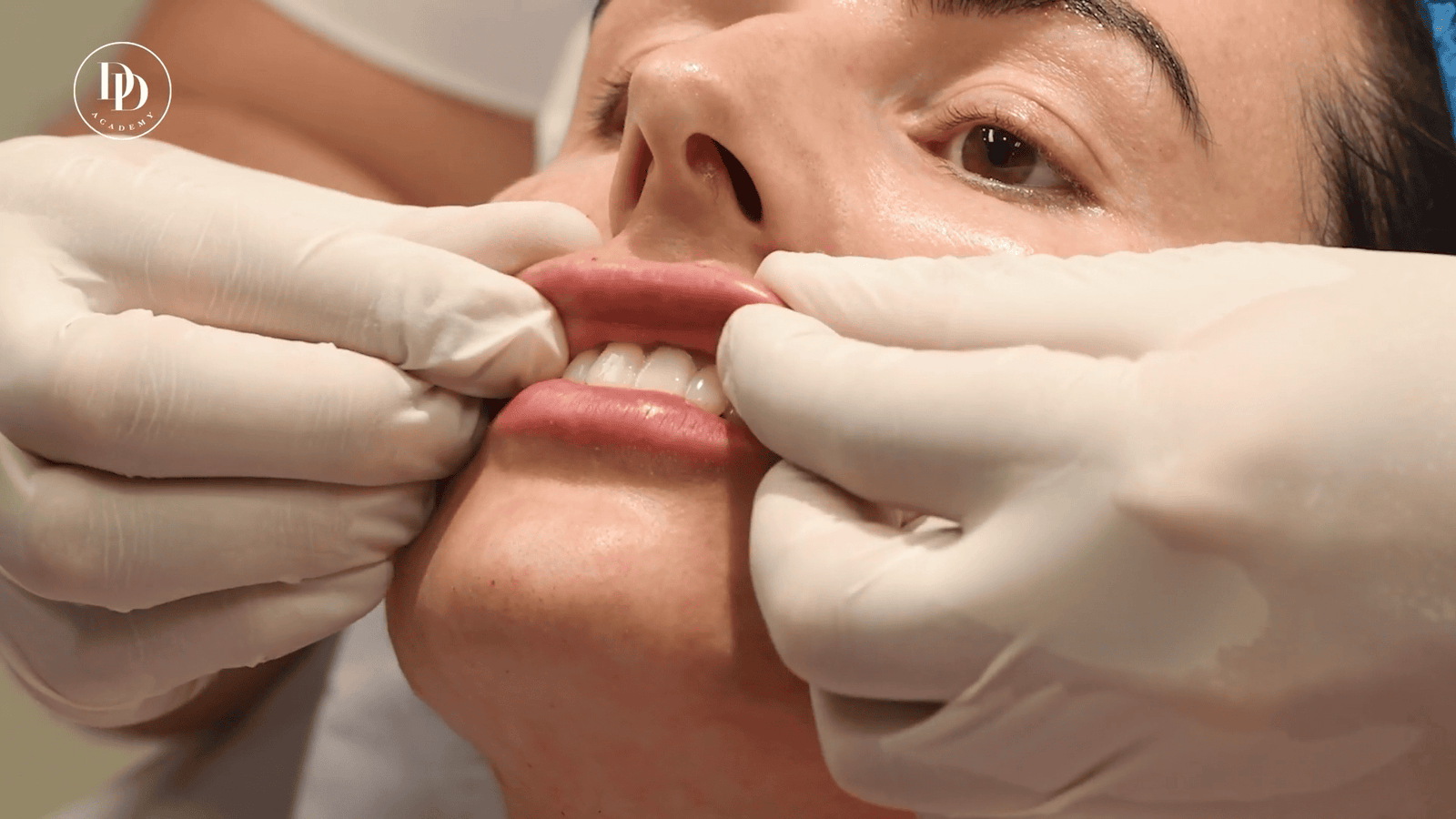
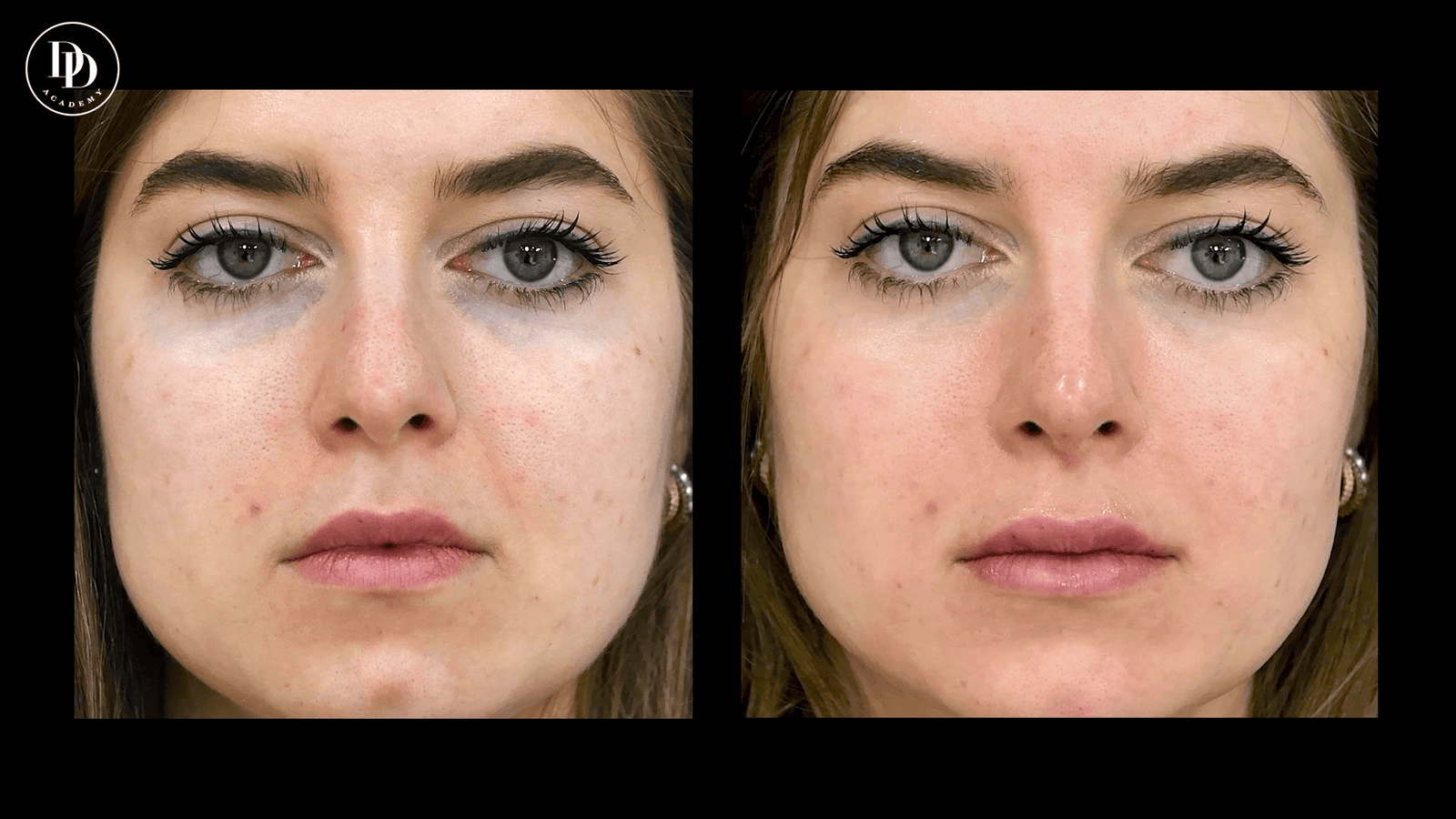
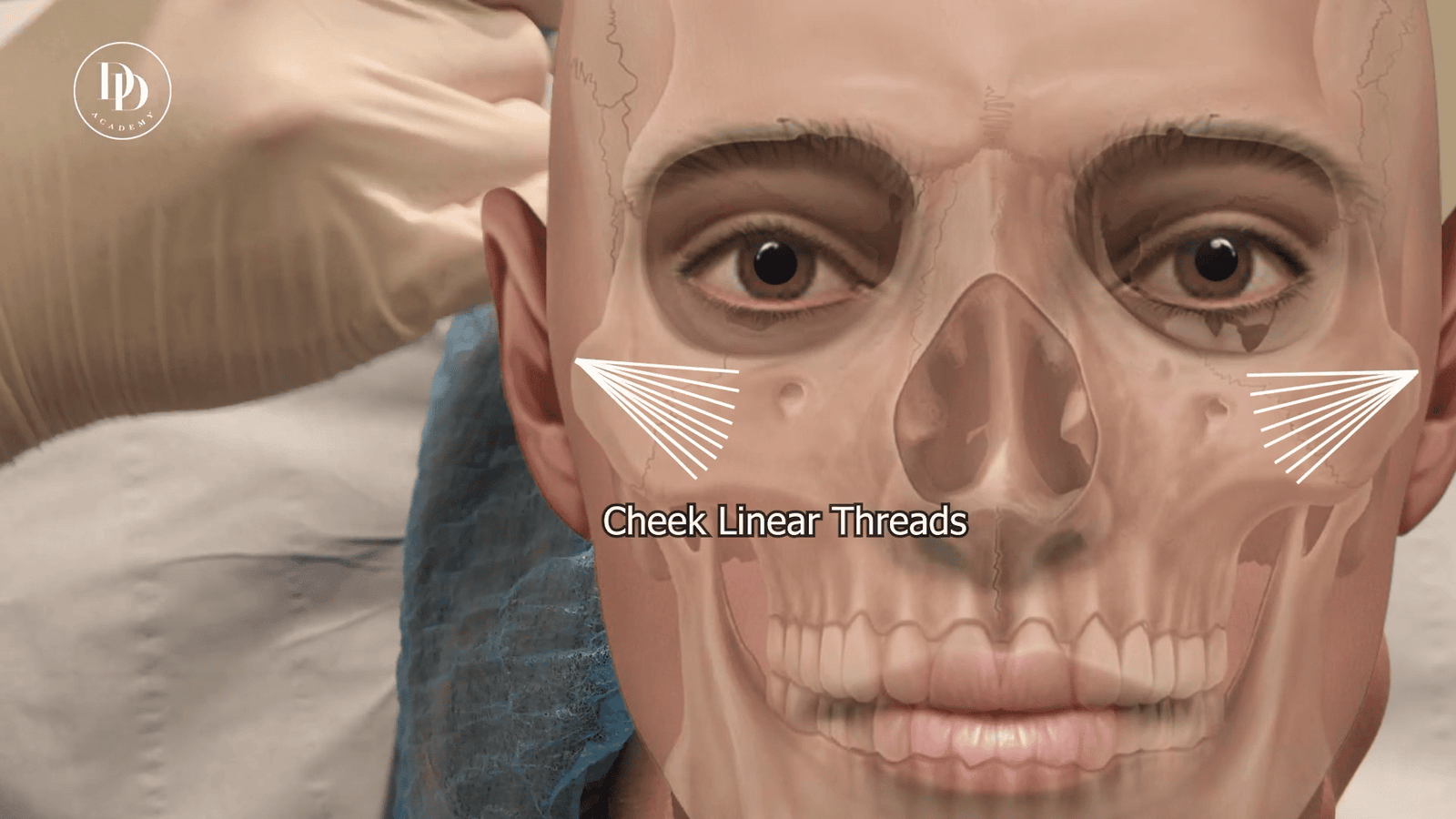
Cheek filler marking anatomical zones mapped on mid-face prior to injection

Why Train with Dr Dray Academy

At Dr Dray Academy, our training is designed to go beyond basic techniques — focusing on the clinical judgement, precision, and full-face understanding required to deliver natural, high-level results.

Our approach is built on over 45 years of experience treating some of the world’s most discerning patients, and these techniques are practiced daily across our London, Paris, and Abu Dhabi clinics.

From Marking to Injection Strategy

Once facial mapping is complete, markings are translated into injection planning—not execution. This is where clinical judgement becomes essential.

We structure cheek filler planning into zones rather than isolated points:

  • Lateral zygomatic arch: structural lift and contour
  • Malar apex: projection and cheek definition
  • Submalar region: blending and hollow correction
  • Anterior cheek: controlled fold support

Each zone corresponds to different depths, typically ranging from supraperiosteal placement for structural lift to deeper fat compartment support for blending.

Product selection is also guided by marking outcomes. Firmer hyaluronic acid or biostimulatory fillers may be used for structural support, while softer formulations are reserved for superficial refinement.

The key principle is simple: markings determine strategy, not just placement.


Safety-Led Marking and Vascular Awareness

Safety in cheek filler work begins before injection—it begins at the marking stage.

Practitioners must always account for:

  • Infraorbital foramen proximity
  • Facial artery trajectory
  • High-risk medial cheek zones
  • Safe cannula entry points laterally

We consistently train injectors to stay conservative in medial zones and to favour lateral and deep support planes when appropriate. Marking should actively reduce risk by keeping planned injection points outside known vascular danger zones.

In advanced practice, ultrasound can be layered onto marking to further reduce risk in complex anatomy cases.

Markings should always be preserved through antiseptic preparation so the treatment plan remains visible during injection.

Facial anatomical landmarks used for cheek filler marking including zygomatic arch and malar apex

Step-by-Step Cheek Filler Marking Technique for Mid-Face Rejuvenation

In this training breakdown, we demonstrate how to approach cheek filler marking using anatomical landmarks, safe zone identification, and structured zone planning. This is designed for medical professionals developing confidence in mid-face aesthetic procedures.

Frequently Asked Questions

Become an Elite Aesthetic Practitioner

Get expert insights on aesthetic training, clinical techniques, and how to build a high-level practice. Join our private list for updates on upcoming training dates and opportunities.

Picture of Dr Dray Academy

Dr Dray Academy

Dr Dray Academy is a professional training platform dedicated to providing high-quality education in aesthetics and healthcare treatments. The content published is carefully created and reviewed to ensure accuracy, clarity, and real-world applicability.

Our team focuses on delivering expert guidance, training insights, and up-to-date industry knowledge to help students and professionals succeed in their careers. Each article is designed to be informative, trustworthy, and aligned with the latest standards in the field.

Discover our award winning Aesthetic Training in London here!

Related Blogs