Final remaining spaces on the 3–4 Oct weekend cohort

Platysmal Bands Treatment in Aesthetic Medicine: Clinical Assessment and Injection Strategy for Practitioners

Who This Is For

Not sure if you’re eligible? Speak with our team. We’ll guide you through the requirements and next steps.

Table of Contents

Platysmal bands are vertical, rope-like cords that appear on the neck, running from the jawline to the collarbone. These visible neck bands are a purely cosmetic concern—they pose no health risks but can significantly affect how the neck and lower face age in appearance.

What this article covers:

  • What causes these bands (muscle activity, aging skin, genetics)
  • Main treatment options including botox, fillers, skin treatments, and surgery
  • Expected costs and how long results typically last (Botox three to four months; surgery up to 10 years)
  • Who benefits most from each approach

Rest assured: platysmal bands are a normal part of aging and entirely harmless. If they bother you, multiple effective treatments exist.
What Causes Platysmal Bands?

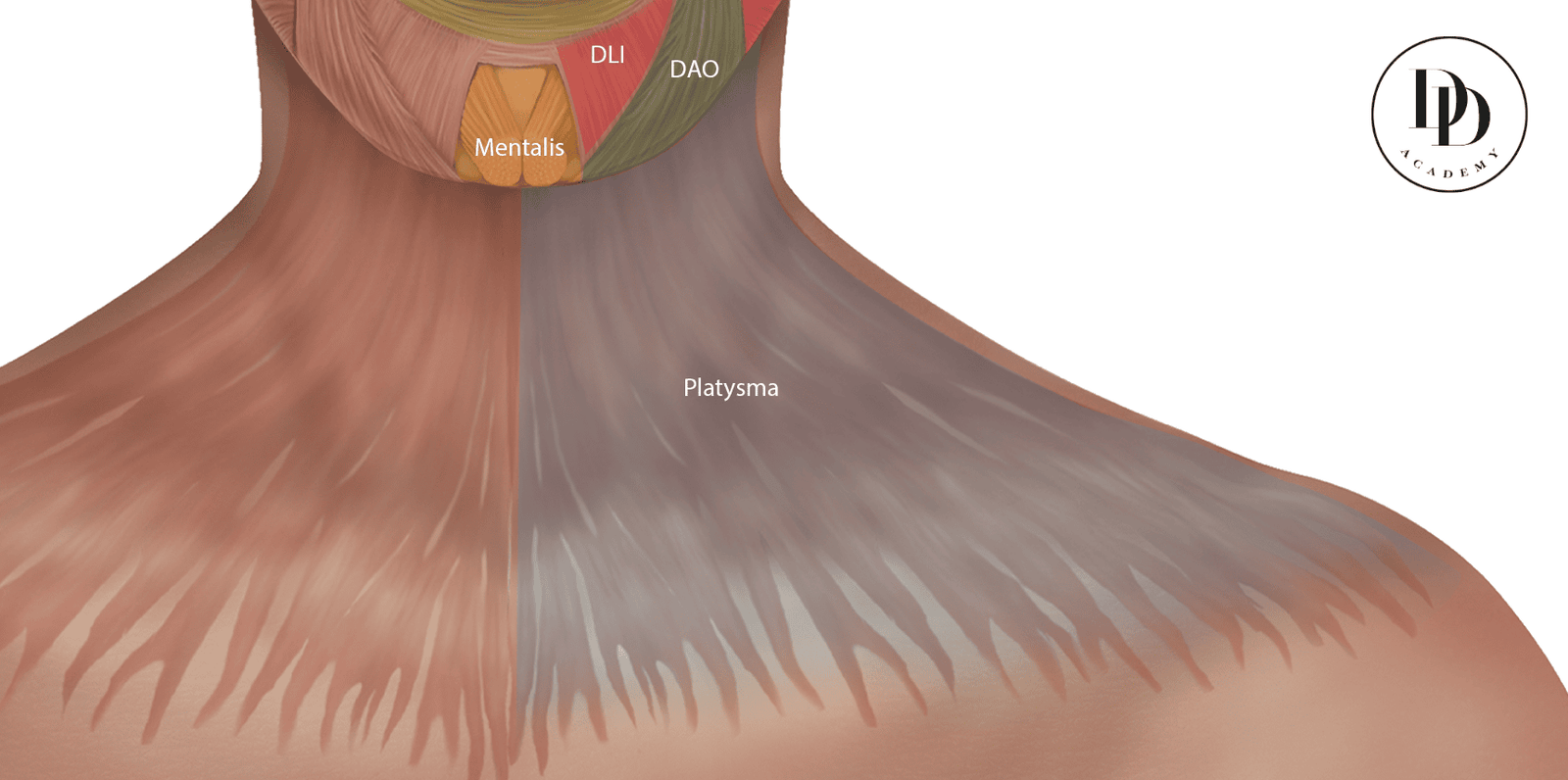
Platysmal banding is a multifactorial condition, but the primary driver is repetitive platysma muscle contraction over time.

Other contributing factors include:

  • Loss of dermal collagen and elastin
  • Skin thinning due to ageing
  • Submental fat loss or redistribution
  • Genetic and anatomical predisposition

Clinically, this is important because it reinforces that platysmal bands are not purely a skin issue—they are primarily muscle-driven, making neuromodulator treatment the foundation of management.

Platysmal bands anatomy neck muscle illustration aesthetic medicine

Why Train with Dr Dray Academy

At Dr Dray Academy, our training is designed to go beyond basic techniques — focusing on the clinical judgement, precision, and full-face understanding required to deliver natural, high-level results.

Our approach is built on over 45 years of experience treating some of the world’s most discerning patients, and these techniques are practiced daily across our London, Paris, and Abu Dhabi clinics.

Clinical Assessment for Platysmal Bands

Before initiating treatment, a structured clinical assessment is essential to ensure safe and predictable outcomes.

Practitioners should evaluate:

1. Band Type

  • Dynamic (movement-related)
  • Static (visible at rest)

2. Skin Quality

  • Good elasticity ? predictable injectable response
  • Crepey/lax skin ? requires combination approach

3. Lower Face Support

  • Jawline definition
  • Submental fullness
  • Degree of tissue descent

4. Patient Expectations

  • Subtle refinement vs significant correction
  • Maintenance tolerance
  • Suitability for non-surgical vs surgical referral

A structured assessment ensures appropriate treatment selection and reduces complication risk.

Platysmal bands neck anatomy showing muscle structure and vertical neck lines.

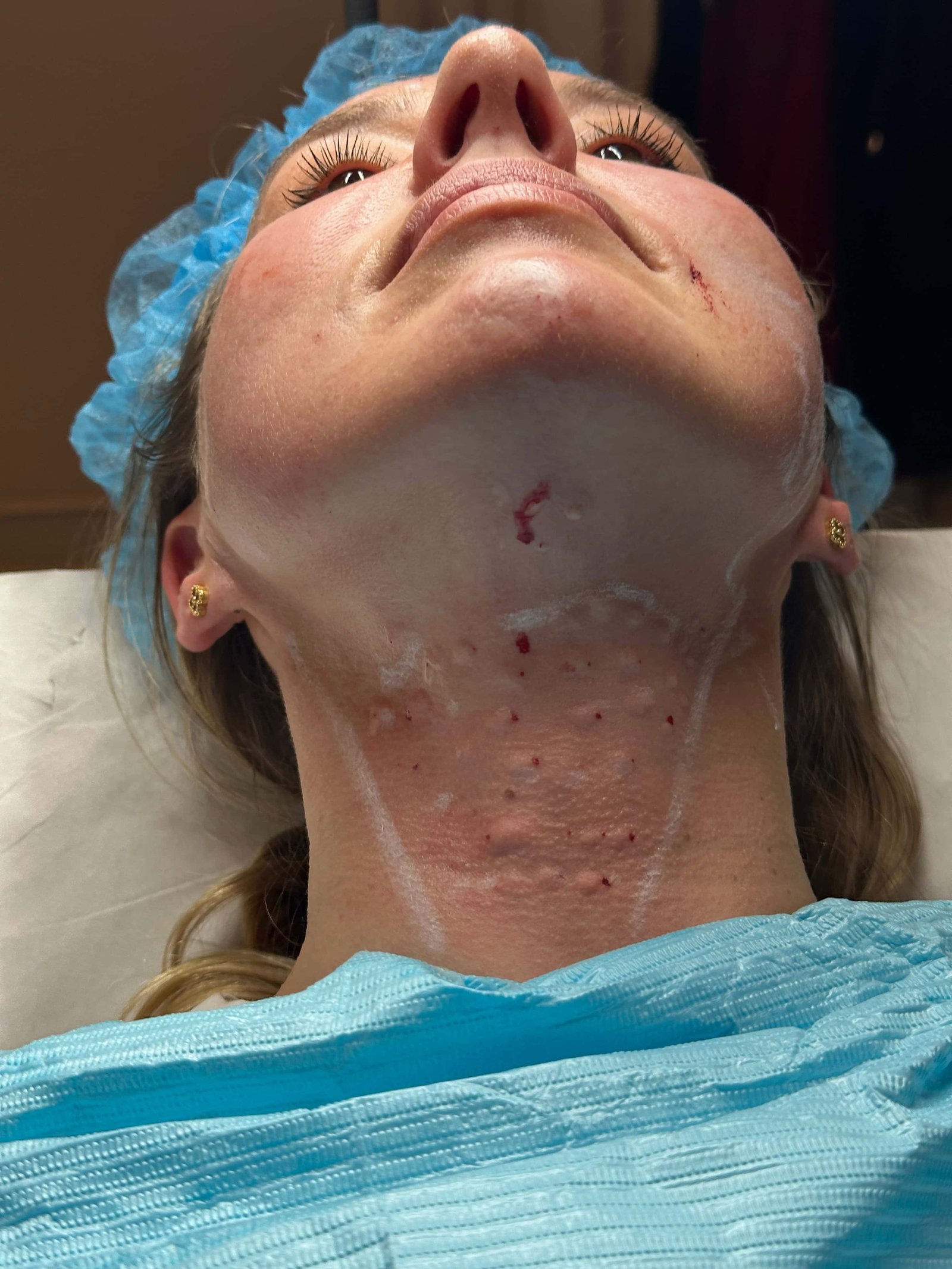
Neck rejuvenation during Aesthetic Mastery Training in London

Learn how to assess and manage platysmal bands using a structured clinical approach involving botulinum toxin, combination treatments, and surgical referral decision-making in aesthetic practice.

Frequently Asked Questions

Become an Elite Aesthetic Practitioner

Get expert insights on aesthetic training, clinical techniques, and how to build a high-level practice. Join our private list for updates on upcoming training dates and opportunities.

Picture of Dr Dray Academy

Dr Dray Academy

Dr Dray Academy is a professional training platform dedicated to providing high-quality education in aesthetics and healthcare treatments. The content published is carefully created and reviewed to ensure accuracy, clarity, and real-world applicability.

Our team focuses on delivering expert guidance, training insights, and up-to-date industry knowledge to help students and professionals succeed in their careers. Each article is designed to be informative, trustworthy, and aligned with the latest standards in the field.

Discover our award winning Aesthetic Training in London here!

Related Blogs