Final remaining spaces on the 3–4 Oct weekend cohort

Botox Masseter Gone Wrong: Causes, Prevention & Management

Who This Is For

Not sure if you’re eligible? Speak with our team. We’ll guide you through the requirements and next steps.

Table of Contents

Masseter Botox is one of the most transformative non-surgical aesthetic treatments available. It reduces teeth grinding (bruxism), relieves tension headaches, and slims the lower face for a softer, more balanced contour. However, as with any advanced injectable, complications can occur if anatomical structures are not respected. Understanding where things go wrong — and how to prevent or manage these issues — is essential for safe practice.


Before Masseter Botox Treatment
After Successful Masseter Botox Treatment


Understanding the Masseter Muscle

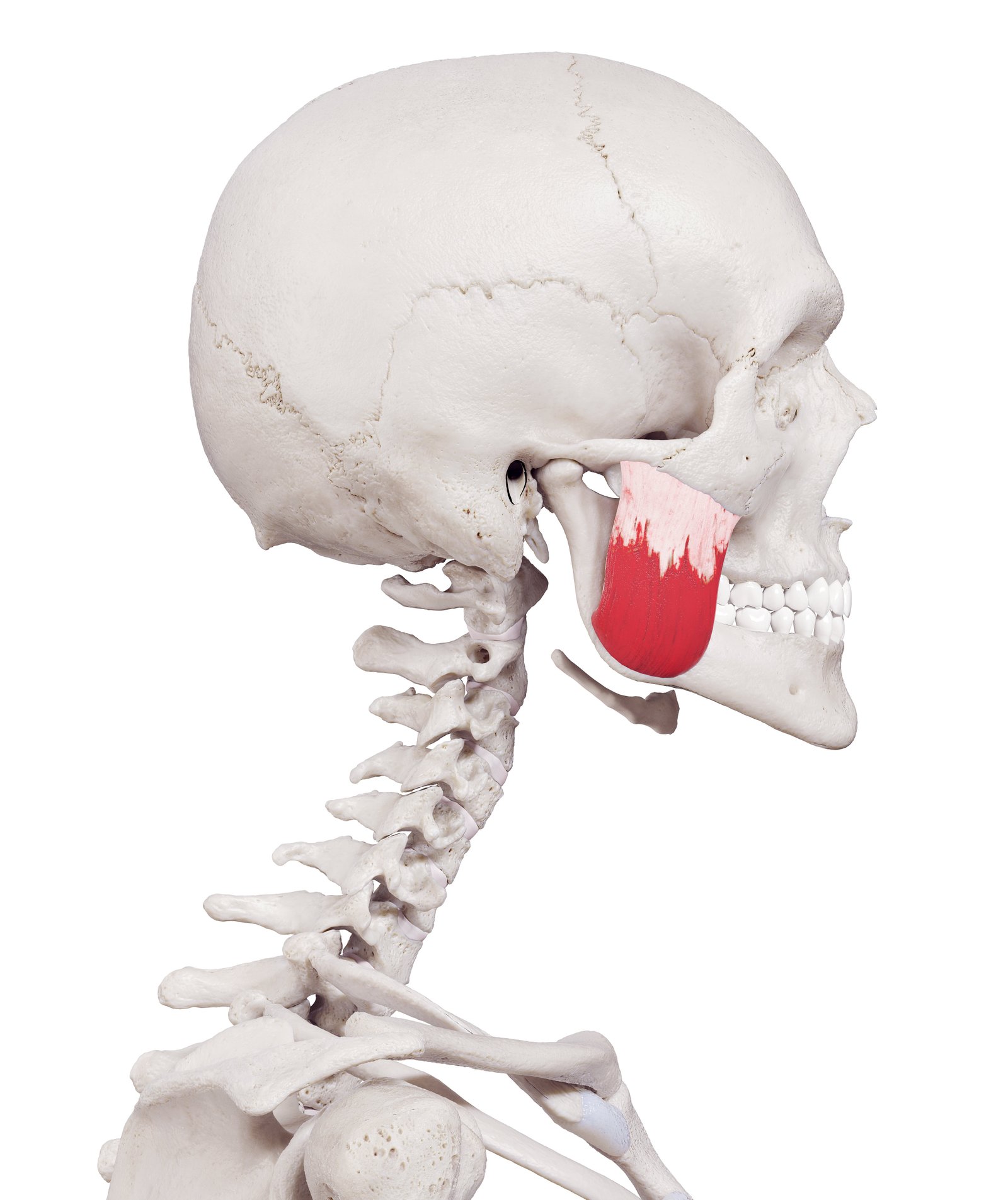
The masseter is a powerful jaw muscle responsible for chewing and clenching. It has both superficial and deep fibers, and its size contributes significantly to the width of the lower face. Proper treatment can relax this muscle, creating a slimmer, more elegant jawline while improving comfort for patients suffering from teeth grinding or TMJ pain.

Why Train with Dr Dray Academy

At Dr Dray Academy, our training is designed to go beyond basic techniques — focusing on the clinical judgement, precision, and full-face understanding required to deliver natural, high-level results.

Our approach is built on over 45 years of experience treating some of the world’s most discerning patients, and these techniques are practiced daily across our London, Paris, and Abu Dhabi clinics.

When Masseter Botox Goes Wrong

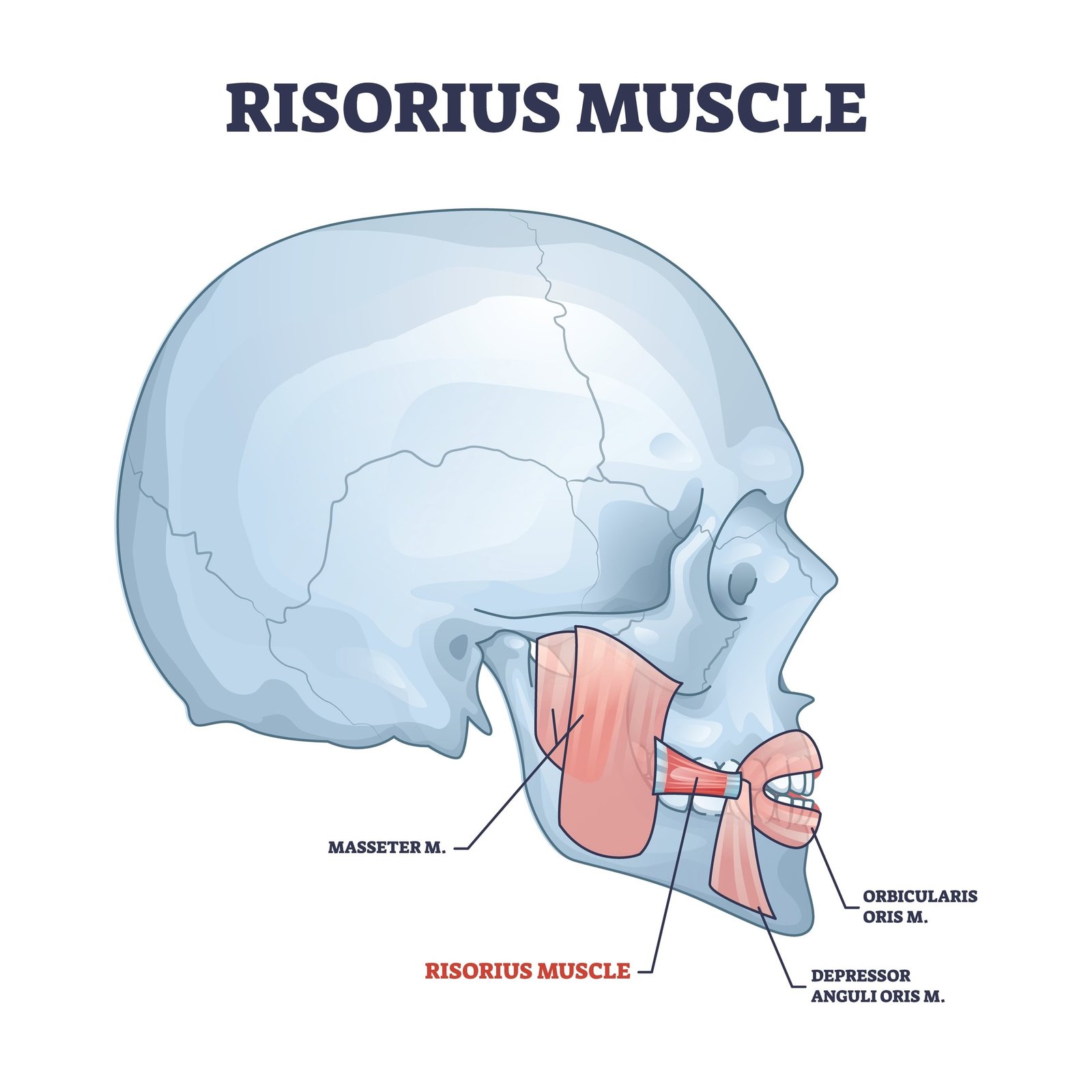
Most complications occur due to inaccurate injection placement, poor anatomical understanding, or incorrect depth. The most common issue arises when the risorius muscle is inadvertently affected — a small but critical muscle responsible for controlling the corner of the mouth.

1. Risorius Involvement (Smile Asymmetry)

If toxin spreads too anteriorly into the risorius muscle, patients may experience an uneven or distorted smile. This can last for several months until the botulinum toxin effect wears off naturally. Unfortunately, it cannot be reversed — only managed.

Management Tips:

  • Consider radiofrequency treatments to slightly accelerate metabolism of the toxin (though effects are limited).
  • Advise patients the result will gradually improve within 3–4 months.
  • In future treatments, remain posterior to avoid risorius involvement.

2. Parotid Gland Trauma

Approximately 75% of the parotid gland lies over the masseter. Superficial or misplaced injections risk damaging this gland, leading to swelling, leakage, or a transient reduction in saliva production. Usually, other salivary glands compensate, and function normalises over time.

When passing a cannula along the jawline — particularly near the inferior border of the mandible — the tip can become involved with the surface of the parotid or submandibular glands, risking tearing or bleeding.

Prevention Tips:

  • Inject deep into the muscle, not subcutaneously.
  • Palpate to confirm the muscle belly during clenching.
  • Stay posterior to the facial artery and risorius zone.

3. Nerve Involvement and Facial Weakness

The buccal branches of the facial nerve run close to the masseter. Trauma or diffusion in this area may cause temporary paralysis of the zygomatic or buccinator muscles, leading to mild facial asymmetry. These effects typically resolve spontaneously but must be avoided with correct technique and depth control.

Managing Common Complications

Superficial Muscle Bunching

  • Occurs when only deep fibers are treated, leaving superficial ones hyperactive.
  • Appears as sharp or uneven protrusions when clenching.
  • Treatable with additional small superficial injections.

Smile Asymmetry

  • Caused by risorius involvement.
  • Can take months to resolve naturally.
  • Preventable by remaining posterior and injecting deep within the muscle.

Parotid Effects

  • May affect saliva production or cause mild swelling.
  • Usually temporary and self-limiting.
  • Preventable through correct depth and anatomical awareness.

Proper Technique for Masseter Botox

Palpate the muscle while the client clenches to locate the treatment area. Stay within the posterior two-thirds of the muscle, sparing the anterior border to avoid risorius impact. Inject deeply in 3–4 sites using a strong dose of 2–5 Units per site depending on muscle mass and desired outcome.

Facial slimming results typically require 3–4 sessions over 9 months for optimal contouring and long-term reprogramming of the muscle.


Botox Masseter Teaching Preview

Frequently Asked Questions

Become an Elite Aesthetic Practitioner

Get expert insights on aesthetic training, clinical techniques, and how to build a high-level practice. Join our private list for updates on upcoming training dates and opportunities.

Picture of Dr Dray Academy

Dr Dray Academy

Dr Dray Academy is a professional training platform dedicated to providing high-quality education in aesthetics and healthcare treatments. The content published is carefully created and reviewed to ensure accuracy, clarity, and real-world applicability.

Our team focuses on delivering expert guidance, training insights, and up-to-date industry knowledge to help students and professionals succeed in their careers. Each article is designed to be informative, trustworthy, and aligned with the latest standards in the field.

Discover our award winning Aesthetic Training in London here!

Related Blogs