Final remaining spaces on the 3–4 Oct weekend cohort

Glabella Lines Treatment: A Practical Guide for Healthcare Professionals

Who This Is For

Not sure if you’re eligible? Speak with our team. We’ll guide you through the requirements and next steps.

Table of Contents

Glabella Lines Treatment in Clinical Practice

Glabella lines treatment is rarely just about softening a crease between the brows. In clinical practice, it is about understanding expression, anatomy, and how small treatment decisions can significantly influence a patient’s overall facial impression.

For patients, the concern is often emotional — looking tired, angry, or tense. For us as clinicians, the responsibility is more complex: identifying muscle dominance, assessing dynamic versus static lines, and building a safe, stepwise treatment plan that respects natural expression.

At Dr. Dray Academy, we approach this through structured training that develops both technical skill and clinical judgement. Our glabella toxin training pathway is designed specifically for registered healthcare professionals transitioning into aesthetic medicine, where precision and safety are non-negotiable.

In everyday practice, treatments are guided by evidence-based protocols and anatomical mapping rather than trend-led injection patterns. This is why understanding resources is essential for responsible clinical decision-making.
What are Glabella Lines?

Glabella lines are the vertical creases that form between the eyebrows, commonly referred to as “11 lines.” In some patients, these may also present as horizontal or mixed-pattern wrinkles depending on muscle activity and skin behaviour over time.

These lines develop due to repeated contraction of the glabella complex, combined with progressive collagen loss and reduced skin elasticity.


Clinical Anatomy and Muscle Involvement

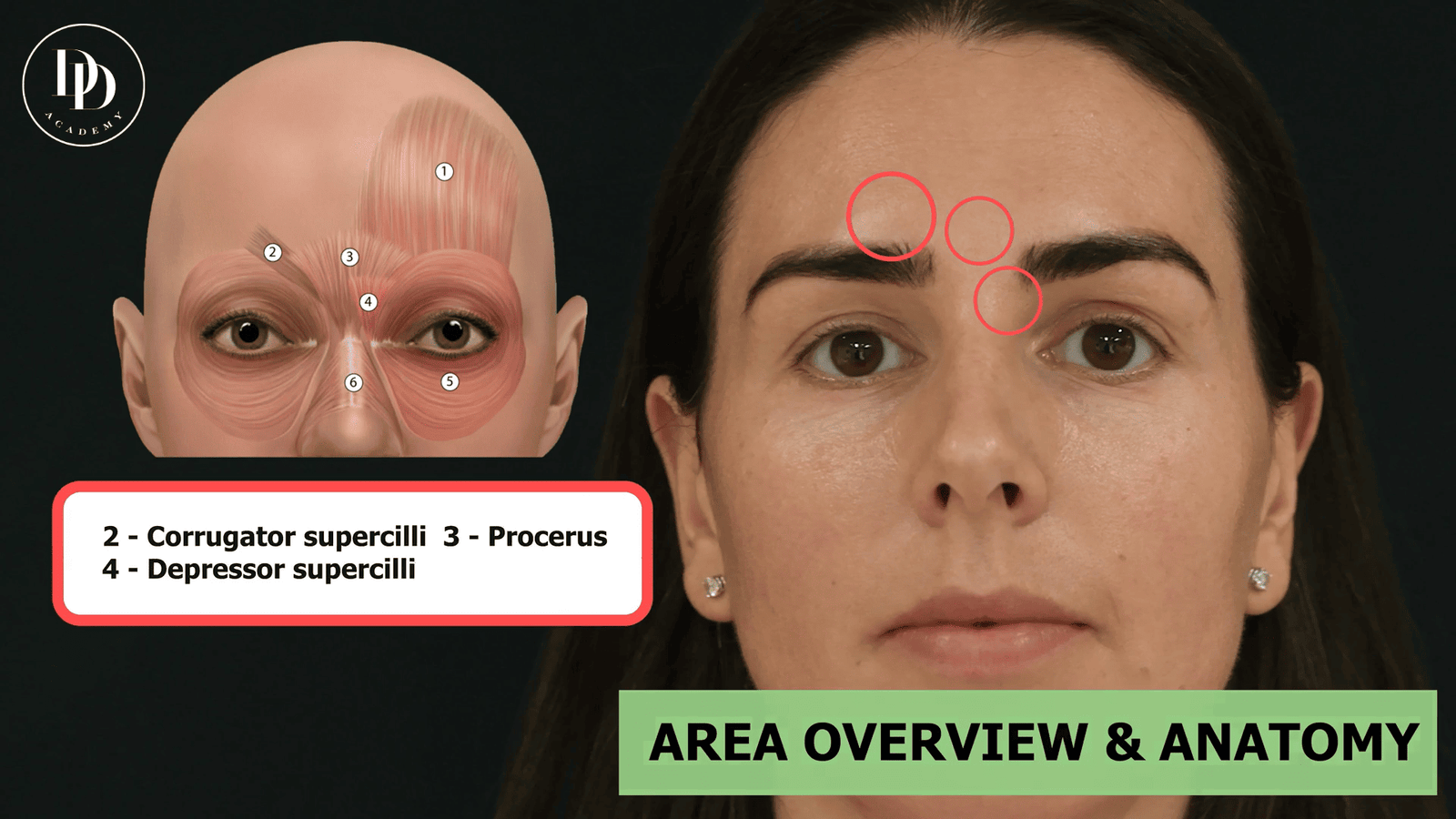
From a practitioner’s perspective, accurate assessment begins with identifying the dominant muscles:

  • Corrugator supercilii – responsible for inward brow pulling
  • Procerus – contributes to horizontal glabella creasing
  • Depressor supercilii – assists downward brow movement
  • Frontalis interaction – influences overall brow position

Misinterpreting these patterns can lead to poor outcomes, including brow heaviness or asymmetry. This is why a structured dynamic assessment is essential before any treatment plan is considered.


Glabella VS Forehead Lines

One of the most common clinical errors in early practice is treating all upper-face lines the same way.

Glabella lines are typically:

  • Vertical
  • Central
  • Emotionally expressive (“angry” or “tense” appearance)

Forehead lines are:

  • Horizontal
  • Frontalis-driven
  • Associated with eyebrow elevation

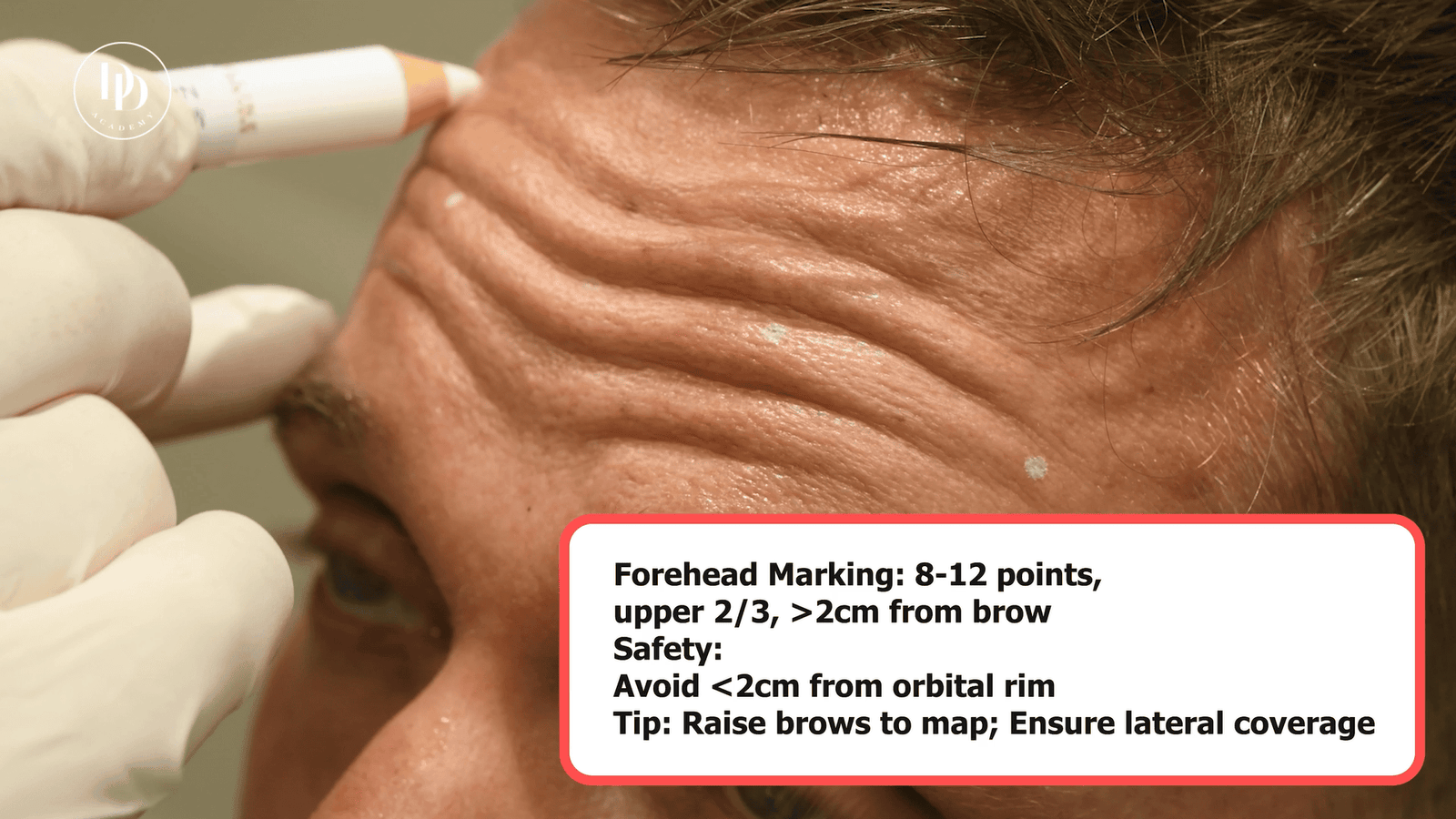
A proper assessment includes resting expression, frowning, eyebrow elevation, and lateral movement analysis. This step is critical in avoiding complications such as brow ptosis or over-treatment.


Why Glabella Lines Form

Glabella lines are influenced by both intrinsic and extrinsic ageing factors.

Intrinsic factors include:

  • Collagen and elastin reduction
  • Genetic skin structure
  • Hormonal changes with age

Extrinsic factors include:

  • UV exposure and photoaging
  • Smoking and reduced vascular support
  • Chronic stress and poor sleep patterns
  • Repetitive facial expression patterns

Over time, dynamic lines become static due to repeated folding of the skin combined with reduced dermal resilience.

Facial muscle diagram illustrating corrugator and procerus contraction causing glabellar lines

Why Train with Dr Dray Academy

At Dr Dray Academy, our training is designed to go beyond basic techniques — focusing on the clinical judgement, precision, and full-face understanding required to deliver natural, high-level results.

Our approach is built on over 45 years of experience treating some of the world’s most discerning patients, and these techniques are practiced daily across our London, Paris, and Abu Dhabi clinics.

Non-Invasive Management Options

While established glabella lines require medical intervention, non-invasive care plays an important supportive role.

Key skincare principles include:

  • Retinoids to support collagen turnover
  • Vitamin C for antioxidant protection
  • Peptides for skin signalling support
  • Ceramide-based moisturisers for barrier repair
  • Daily SPF 30–50 for UV protection

Injectable Treatment: Botulinum Toxin

Botulinum toxin remains the first-line clinical treatment for dynamic glabella lines.

It works by blocking acetylcholine release at the neuromuscular junction, temporarily reducing muscle contraction in the corrugator and procerus complex.

Commonly used products include:

  • Botox
  • Dysport
  • Azzalure
  • Bocouture
  • Xeomin

Clinical effect timeline:

  • Onset: 3–5 days
  • Peak: 10–14 days
  • Duration: 3–4 months

Advanced Treatment Options

In selected patients, additional modalities may be considered:

  • Dermal fillers (highly selective use only in glabella)
  • Microneedling and RF for collagen stimulation
  • Fractional laser resurfacing for texture improvement
  • Chemical peels for superficial line refinement

These treatments are always adjunctive and not primary interventions for glabella activity.


Clinical Consultation and Treatment Planning

A structured consultation should include:

  • Full medical history and contraindication screening
  • Dynamic facial assessment
  • Photography at rest and expression
  • Patient expectation alignment
  • Consent and complication discussion

Follow-up at 2 weeks is standard practice to assess symmetry, response, and need for minor adjustments.

Glabellar lines anatomy showing corrugator supercilii and procerus muscles involved in frown lines

Glabella Lines Treatment: Clinical Injection Planning for Practitioners

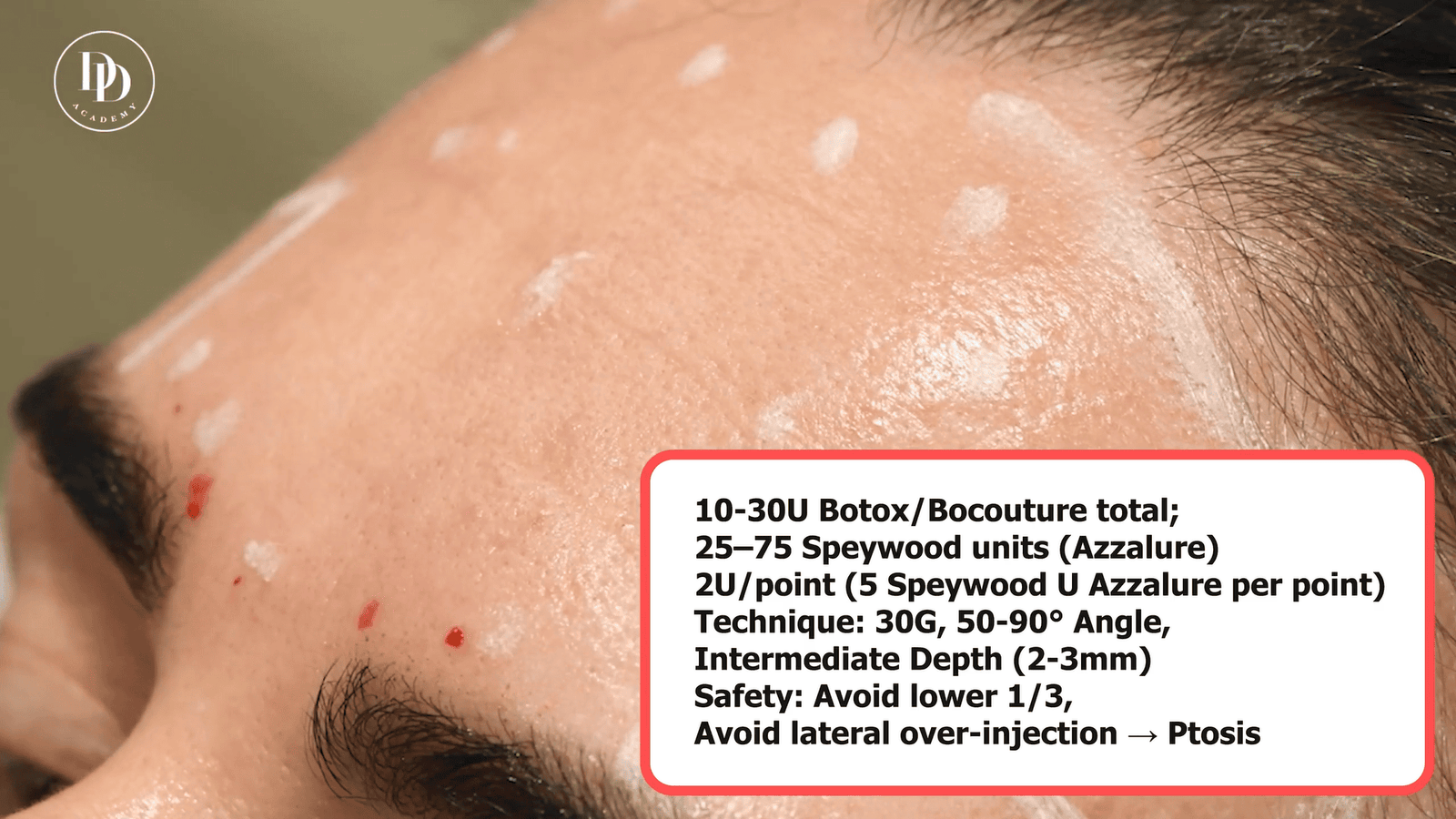
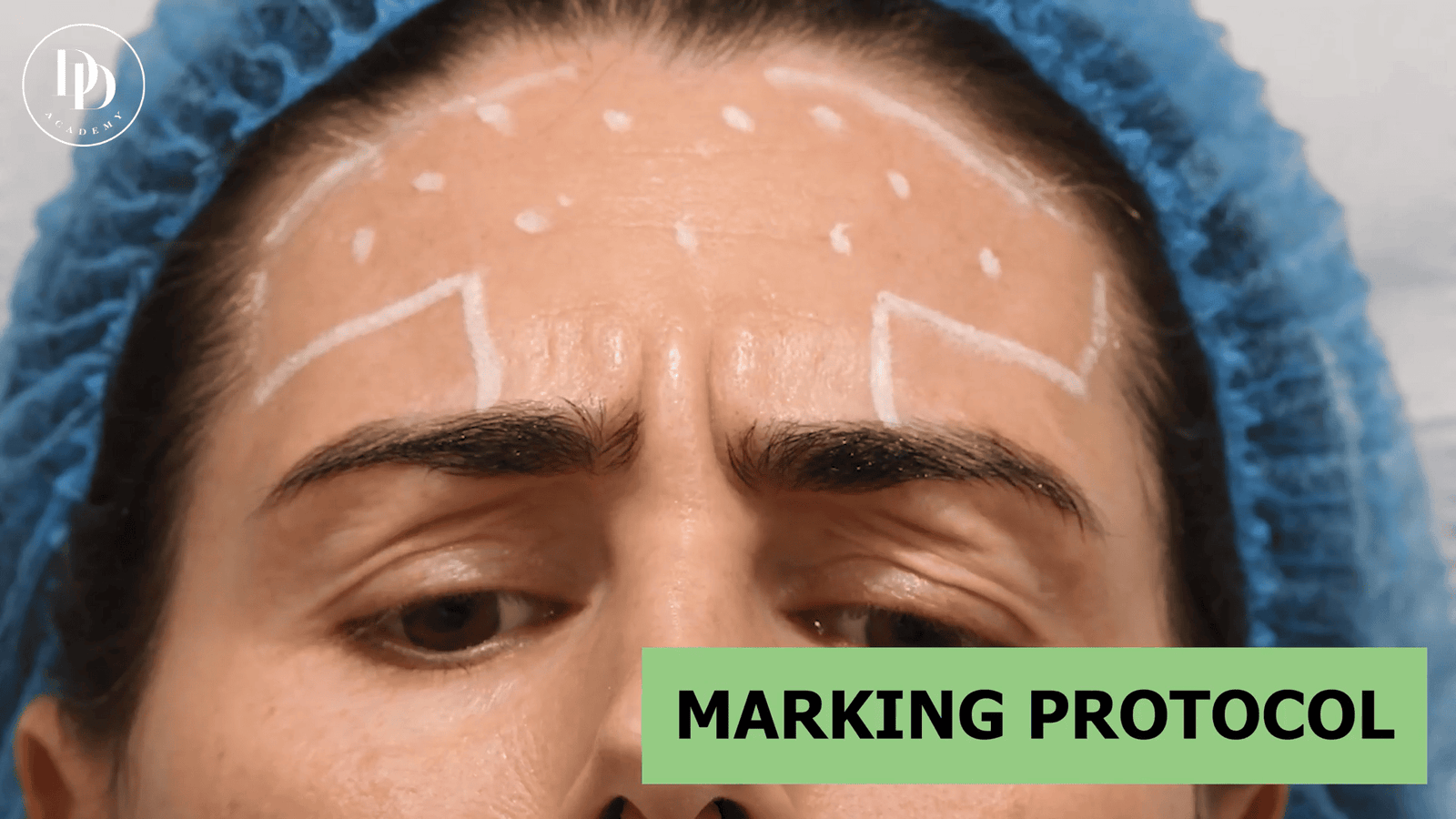
A step-by-step breakdown of glabella assessment, muscle mapping, and safe botulinum toxin injection planning for healthcare professionals transitioning into aesthetic medicine.

Frequently Asked Questions

Become an Elite Aesthetic Practitioner

Get expert insights on aesthetic training, clinical techniques, and how to build a high-level practice. Join our private list for updates on upcoming training dates and opportunities.

Picture of Dr Dray Academy

Dr Dray Academy

Dr Dray Academy is a professional training platform dedicated to providing high-quality education in aesthetics and healthcare treatments. The content published is carefully created and reviewed to ensure accuracy, clarity, and real-world applicability.

Our team focuses on delivering expert guidance, training insights, and up-to-date industry knowledge to help students and professionals succeed in their careers. Each article is designed to be informative, trustworthy, and aligned with the latest standards in the field.

Discover our award winning Aesthetic Training in London here!

Related Blogs