Final remaining spaces on the 3–4 Oct weekend cohort

Botox for Gummy Smile: A Practical Guide for Aesthetic Practitioners

Who This Is For

Not sure if you’re eligible? Speak with our team. We’ll guide you through the requirements and next steps.

Table of Contents

Understanding Gummy Smile Botox in Modern Aesthetic Practice

At Dr. Dray Academy, we regularly teach healthcare professionals that some of the most rewarding aesthetic treatments are often the most subtle. Gummy smile Botox is a perfect example. When performed correctly, even a small reduction in gingival display can significantly improve facial harmony and patient confidence without creating an unnatural result.

For many patients, excessive gum show affects how freely they smile in photographs, social settings, and professional environments. While several treatment approaches exist, botulinum toxin has become one of the most practical and minimally invasive options for patients whose gummy smile is primarily caused by hyperactive upper lip elevator muscles. As clinicians, understanding facial anatomy, patient selection, and injection precision is essential before offering this treatment in practice.

In our advanced aesthetic training courses, we emphasise the importance of combining anatomical understanding with ethical consultation and natural-looking outcomes. Evidence published through the StatPearls clinical overview on excessive gingival display also highlights the multifactorial nature of gummy smiles, reinforcing the importance of proper assessment before treatment planning.
Anatomy and Causes of a Gummy Smile

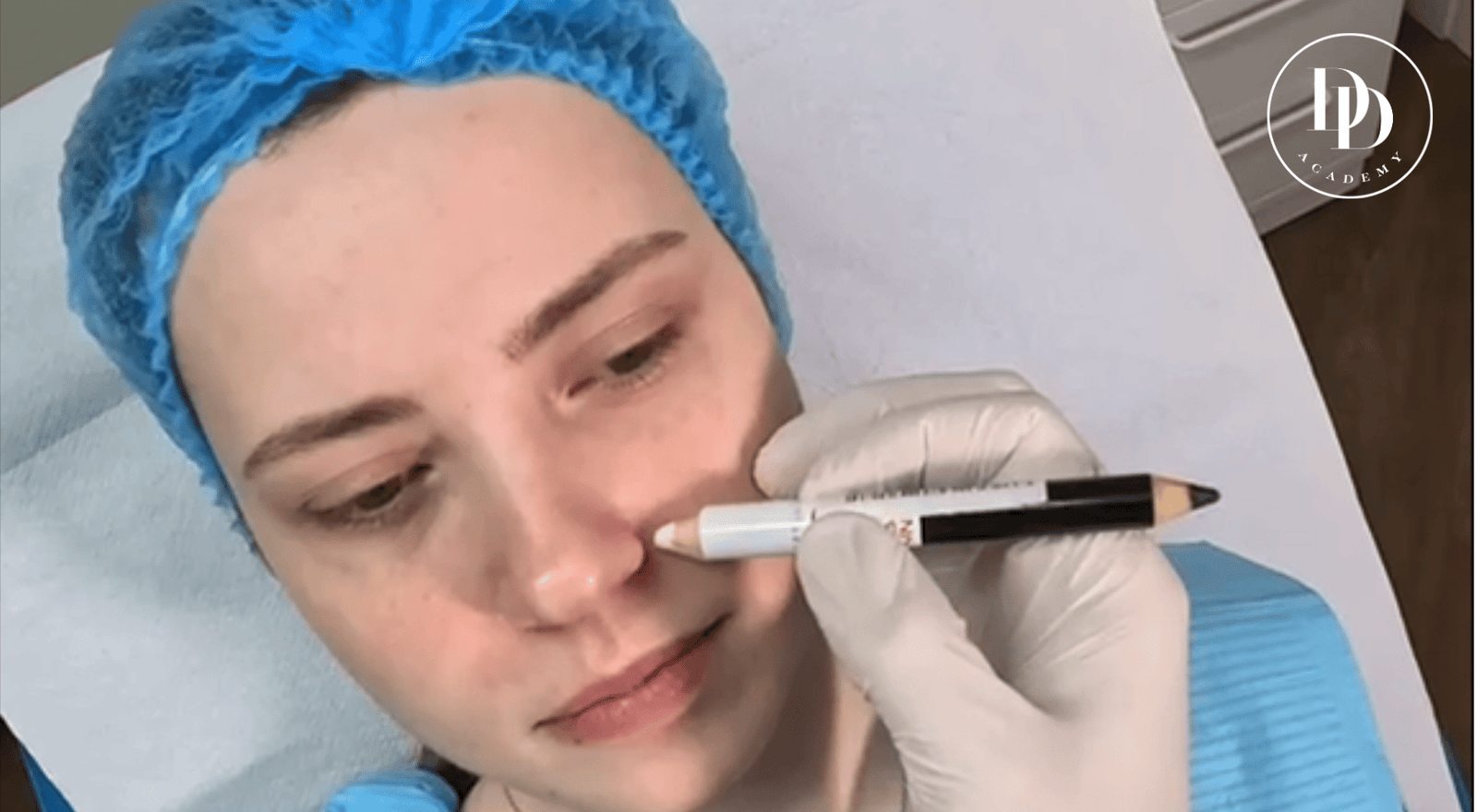
Before attempting to treat a gummy smile with botulinum toxin, practitioners must understand the anatomical structures responsible for upper lip elevation and smile dynamics. Successful outcomes depend heavily on recognising whether excessive gingival display is muscular, skeletal, dental, or multifactorial in origin.

The most common muscular contributors include:

  • Levator labii superioris alaeque nasi (LLSAN)
  • Levator labii superioris (LLS)
  • Zygomaticus minor
  • Levator anguli oris

Patients with hyperactive elevator muscles often show excessive gum exposure when smiling despite otherwise balanced facial proportions. In these cases, Botox can reduce upper lip elevation and soften gingival display while maintaining natural facial expression.

However, clinicians should also assess for:

  • Vertical maxillary excess
  • Altered passive eruption
  • Malocclusion
  • Short upper lip anatomy
  • Excess gum tissue coverage

A detailed consultation and dynamic facial assessment help determine whether Botox alone is appropriate or whether referral for orthodontic, periodontal, or surgical management may be more suitable.

gummy smile botox facial anatomy and upper lip elevator muscles

Why Train with Dr Dray Academy

At Dr Dray Academy, our training is designed to go beyond basic techniques — focusing on the clinical judgement, precision, and full-face understanding required to deliver natural, high-level results.

Our approach is built on over 45 years of experience treating some of the world’s most discerning patients, and these techniques are practiced daily across our London, Paris, and Abu Dhabi clinics.

How Botox for Gummy Smile Works in Clinical Practice

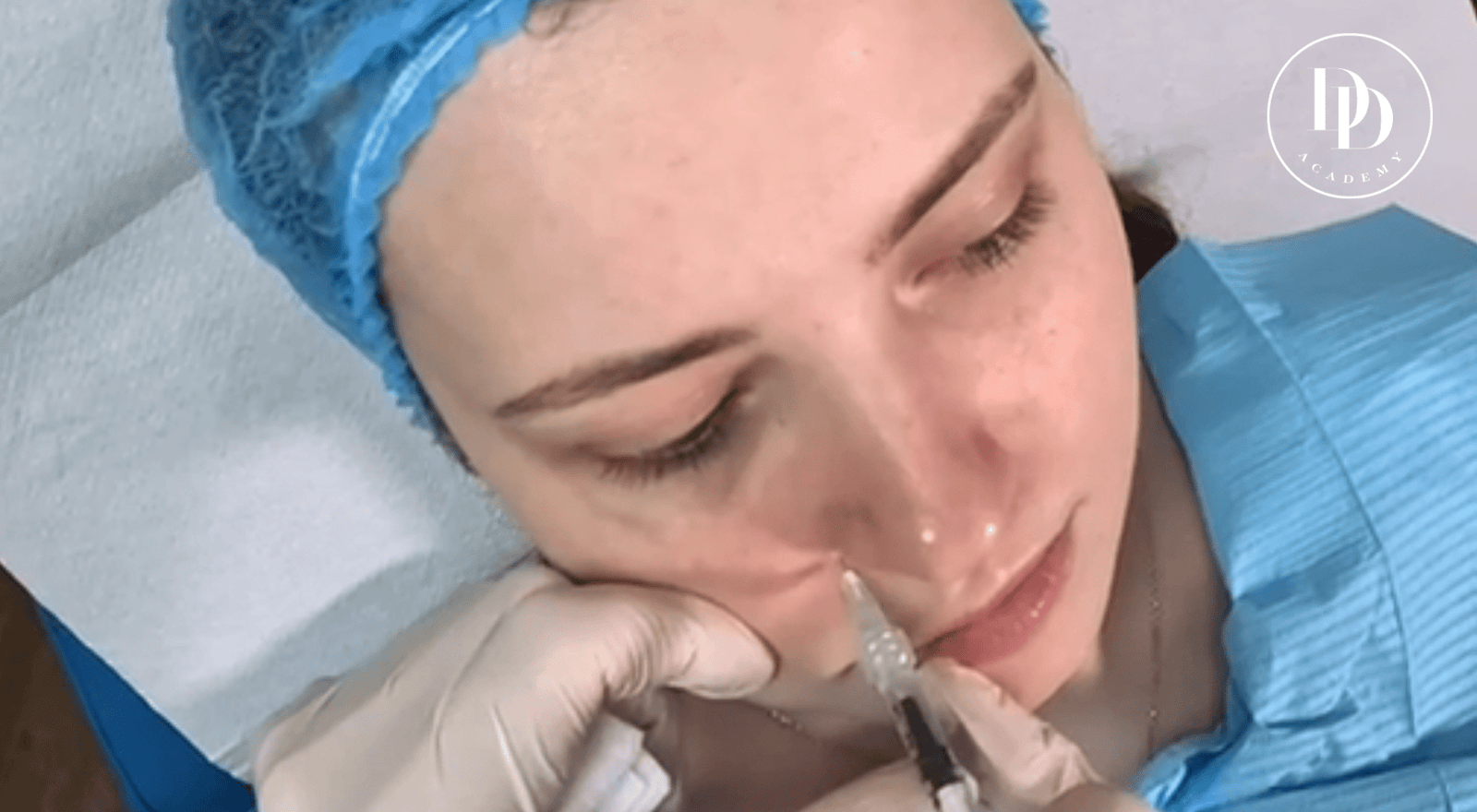
Botulinum toxin type A works by temporarily reducing muscle contraction within the upper lip elevator complex. By carefully targeting muscles such as the LLSAN, practitioners can reduce excessive upper lip elevation and create a more balanced smile appearance.

In clinical practice, treatment goals should remain conservative and natural. Most patients benefit from reducing gingival display by approximately 1–3 mm rather than completely eliminating gum visibility. Overcorrection can flatten smile dynamics and create an unnatural appearance.

The treatment process typically involves:

  • Full facial assessment and photography
  • Dynamic smile analysis
  • Precise anatomical marking
  • Conservative dosing
  • Two-week follow-up review

Most practitioners begin conservatively using approximately:

Gingival Display Typical Starting Dose
Mild (<5 mm) 2–3 units per side
Moderate (>5 mm) Up to 5 units per side

At Dr. Dray Academy, delegates learn how to adapt injection patterns depending on anterior, posterior, or mixed gummy smile presentations. During our advanced Botox training programmes, clinicians also develop confidence in patient assessment, facial photography, complication prevention, and treatment planning.

botox injection technique for gummy smile correction treatment

Gummy Smile Botox Injection Assessment and Technique

Learn how aesthetic practitioners assess upper lip elevator muscles, select appropriate patients, and perform safe, precise gummy smile Botox treatments for natural-looking results.

Frequently Asked Questions

Become an Elite Aesthetic Practitioner

Get expert insights on aesthetic training, clinical techniques, and how to build a high-level practice. Join our private list for updates on upcoming training dates and opportunities.

Picture of Dr Dray Academy

Dr Dray Academy

Dr Dray Academy is a professional training platform dedicated to providing high-quality education in aesthetics and healthcare treatments. The content published is carefully created and reviewed to ensure accuracy, clarity, and real-world applicability.

Our team focuses on delivering expert guidance, training insights, and up-to-date industry knowledge to help students and professionals succeed in their careers. Each article is designed to be informative, trustworthy, and aligned with the latest standards in the field.

Discover our award winning Aesthetic Training in London here!

Related Blogs